Algorithmic Mechanisms Guiding Genre Discovery in Free High-Definition Streaming Networks
Ben Vogel · Jul 15, 2026
Algorithmic Mechanisms Guiding Genre Discovery in Free High-Definition Streaming Networks
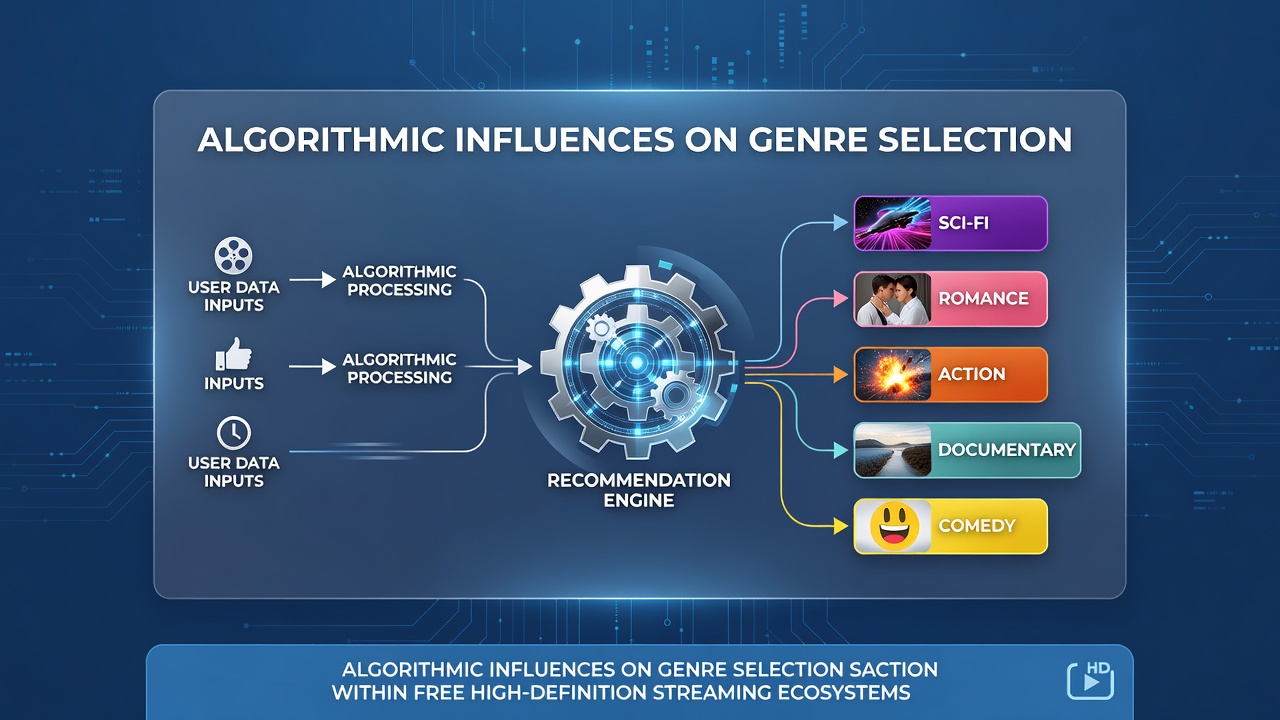
Recommendation systems in free high-definition streaming services process vast datasets from user interactions to suggest content that aligns with observed patterns, and these systems rely on techniques such as collaborative filtering alongside content-based analysis to sort genres into prominent display positions. Data from millions of viewing sessions feed into models that predict preferences, while adjustments occur in real time based on click rates, completion percentages, and dwell times. Observers note that free platforms often prioritize genres with higher engagement metrics because advertising revenue depends on sustained viewer attention across sessions.
Data Collection Practices in Complimentary HD Environments
Free streaming ecosystems gather information through device identifiers, search queries, and playback logs, then apply machine learning frameworks to cluster users into groups with similar histories. Researchers at institutions including the University of Toronto have documented how these clusters influence the visibility of specific genres such as thrillers or documentaries during peak hours. In July 2026, platform operators reported shifts in recommendation outputs following updates to privacy regulations in multiple regions, and those changes altered how quickly new titles in underrepresented genres reached wider audiences.
External signals like trending social media mentions integrate into the algorithms at certain services, which amplifies exposure for genres that align with current online conversations. This integration creates feedback loops where initial algorithmic promotion leads to increased user data, further reinforcing the cycle for popular categories.
Genre Visibility and Platform Economics
Free high-definition services operate under business models that tie content promotion to advertiser demands, and algorithmic rankings determine which genres receive homepage placement or autoplay queues. Studies from the Australian Competition and Consumer Commission indicate that platforms adjust weights assigned to user retention metrics versus immediate click-through rates, producing measurable differences in how action sequences versus dramatic narratives appear in suggested lists. Those adjustments occur weekly as revenue reports update the underlying parameters.
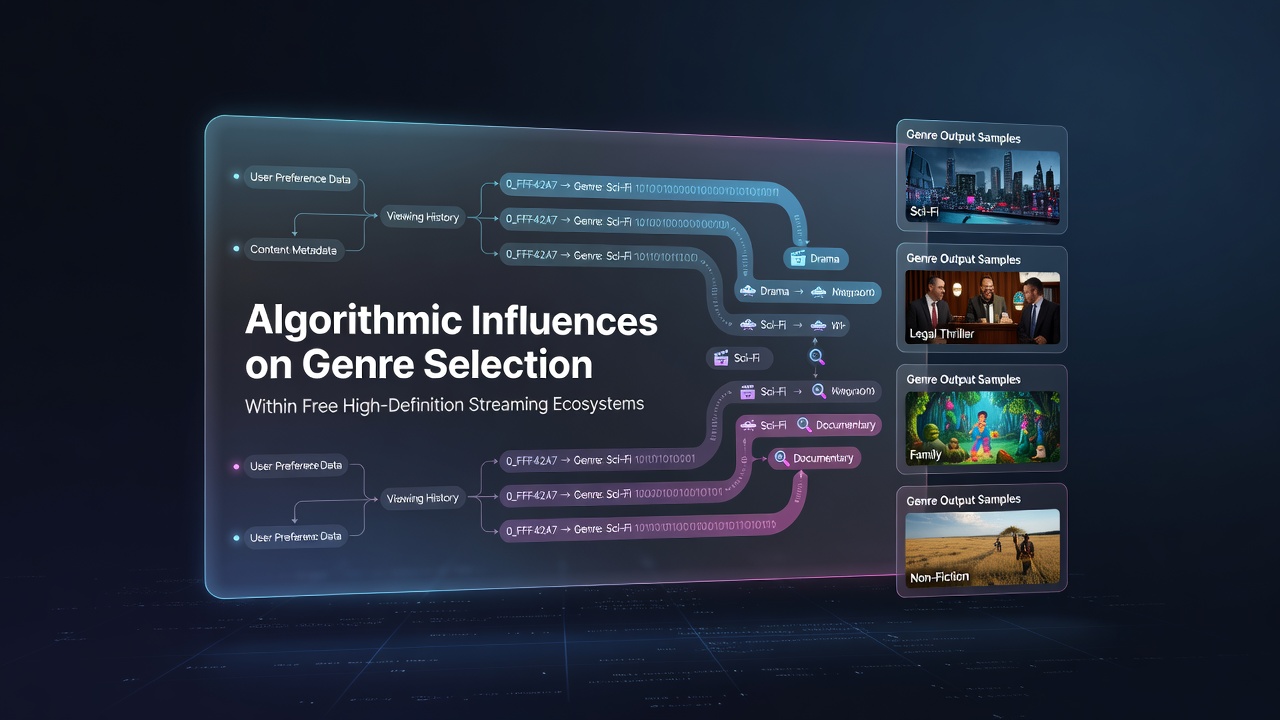
Users encounter personalized carousels that evolve throughout a viewing session, and the sequence of suggested genres changes based on partial watches or skipped previews. This dynamic presentation means that once a viewer engages with one category, the system recalibrates to offer extensions within that same grouping or related subgenres, limiting cross-category exploration unless explicit searches intervene.
Comparative Effects Across Regions
Platforms serving North American audiences apply heavier emphasis on demographic data points compared with services in European markets, where data protection rules constrain certain inputs. Figures released by the European Data Protection Board show variations in genre recommendation diversity between these areas, with European users encountering broader mixes during equivalent time periods. Industry reports compiled in mid-2026 highlight that these regional differences affect overall consumption statistics for genres such as science fiction and historical dramas.
Academic analyses from research groups at the National University of Singapore have tracked how algorithmic updates coincide with seasonal content licensing changes, and those updates produce temporary spikes in certain genre promotions that fade once licensing windows close. The resulting patterns demonstrate that external commercial agreements interact directly with internal recommendation logic to shape what appears prominent at any given moment.
Long-Term Patterns in User Behavior
Longitudinal data sets collected by streaming analytics firms reveal that repeated exposure through algorithmic channels correlates with narrower genre selections over multiple months. Viewers who begin with broad interests gradually concentrate activity within algorithmically reinforced categories, although occasional external prompts such as word-of-mouth recommendations can temporarily expand the range. Platform operators monitor these concentration effects because they influence overall session lengths and advertising load capacity.
Technical documentation from major content delivery networks describes caching strategies that favor high-demand genre files, which in turn supports faster load times for algorithmically promoted titles. This infrastructure layer reinforces the visibility advantage already granted by recommendation engines, creating compounded effects on user navigation paths through free libraries.
Conclusion
Algorithmic systems within free high-definition streaming services continuously recalibrate genre presentation based on aggregated behavioral signals, economic priorities, and regulatory constraints. These mechanisms determine discovery pathways for viewers across different regions and timeframes. Continued examination of the underlying data flows provides insight into how content categories gain or lose prominence within these environments.