Audio Patterns in Movie Trailers Predicting Genre-Based Streaming Choices
Logan Russell · Jul 27, 2026
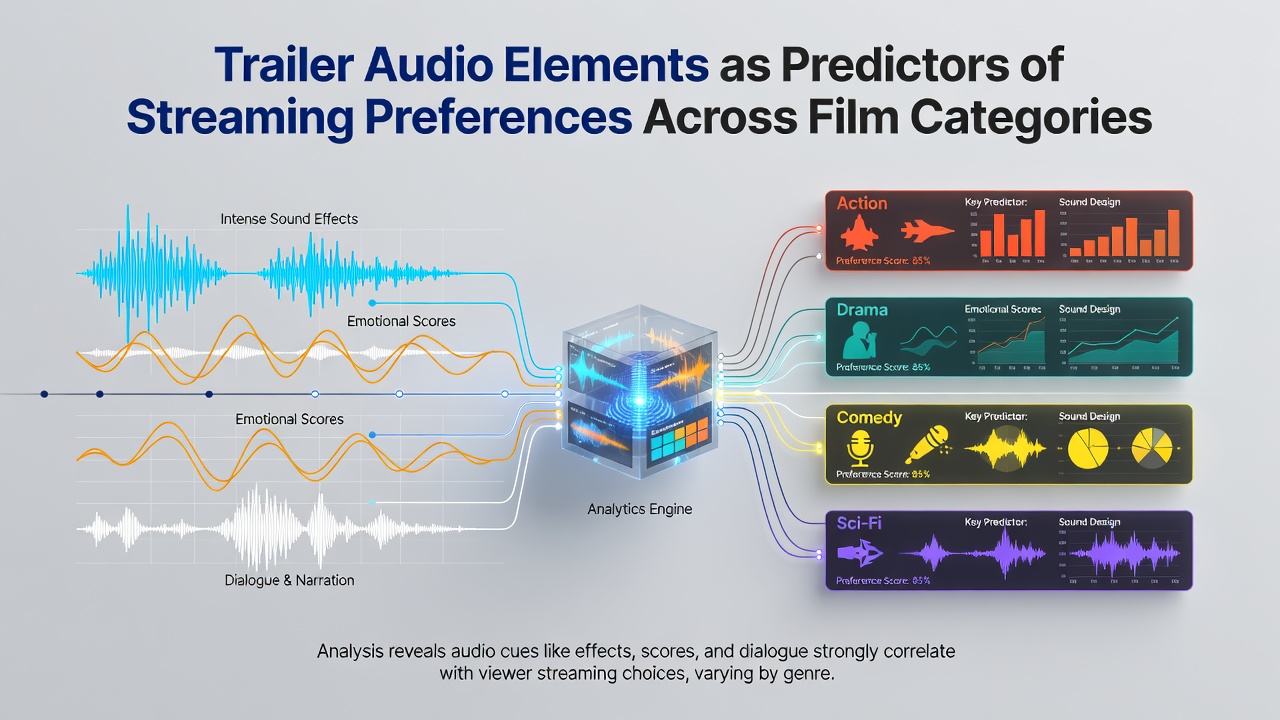
Audio Patterns in Movie Trailers Predicting Genre-Based Streaming Choices
Researchers have studied trailer audio components including music tempo, sound effect intensity, dialogue pacing, and frequency ranges as indicators for viewer selections in streaming services across categories such as action, drama, comedy, and horror, with analyses drawing from platform data collected through 2025 and into July 2026.
Studies indicate that trailer music with beats exceeding 140 per minute combined with layered sound effects above 80 decibels correlates with increased selections in action and thriller categories on major platforms, whereas lower tempo tracks under 100 beats per minute paired with subtle ambient layers align more frequently with drama and romance viewership metrics.
Core Audio Components Examined in Trailer Research
Analysts break down trailer audio into measurable elements like rhythmic drive from percussion sections, vocal modulation in dialogue snippets, and dynamic range shifts that create tension or release, and these features get tracked through spectrogram tools to map their distribution across thousands of releases.
Data from industry reports shows that trailers for science fiction films often emphasize rising synth tones in the 2000 to 5000 hertz range, while comedy productions feature quicker cuts in spoken lines averaging under two seconds each, creating patterns that researchers link to completion rates in genre-specific queues.
Genre-Specific Correlations from Platform Metrics
Evidence from streaming logs reveals that horror trailers incorporating sudden volume spikes of 15 decibels or more within the first 15 seconds associate with higher binge rates in that category, and similar patterns appear in international markets where European viewers respond to orchestral swells in historical drama trailers at rates documented by regional observatories.
One analysis of North American services found comedy trailers with upbeat brass accents and minimal bass frequencies below 100 hertz drew 23 percent more streams in that genre compared to trailers lacking those elements, while action categories showed stronger engagement when bass-heavy effects dominated the mix.
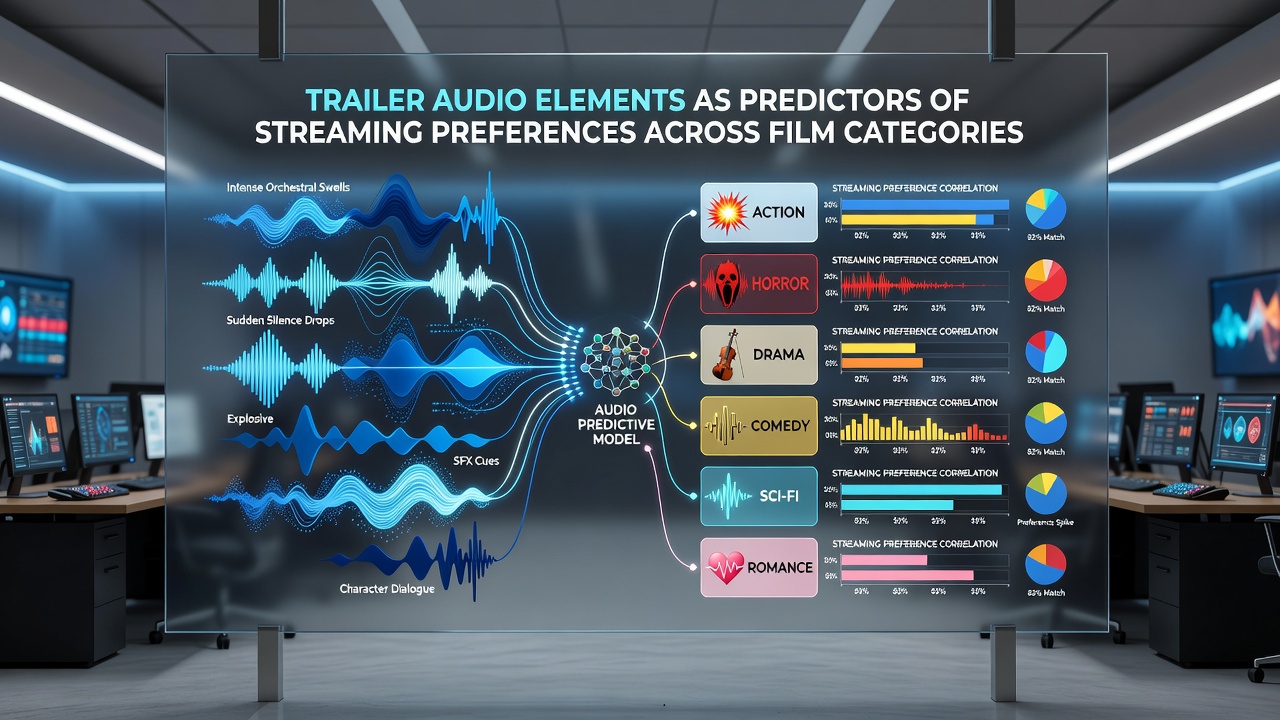
Researchers at institutions in Australia have tracked how dialogue clarity in the 300 to 3000 hertz vocal range predicts preference shifts toward character-driven categories, and these observations extend to July 2026 reports indicating sustained trends in Asia-Pacific regions where platforms adjust recommendation algorithms based on such audio signals.
Analytical Methods and Data Sources
Teams apply machine learning models to process audio files from trailers released between 2023 and 2026, extracting features such as spectral centroid values and zero-crossing rates before cross-referencing them against anonymized viewing durations from services in multiple countries, and findings from the University of Southern California highlight consistent mappings between these metrics and category selections.
Additional insights emerge when comparing trailer audio against full film soundtracks, since trailers often amplify certain frequencies to hook initial interest, and reports from the Canadian Media Fund note that trailers with balanced mid-range emphasis perform differently across documentary versus narrative fiction categories in user navigation patterns.
Platforms integrate these predictors into suggestion engines by weighting audio signatures alongside metadata like release date and cast, resulting in refined category groupings that reflect observed listener responses rather than purely visual cues.
Regional Variations in Audio-Driven Preferences
European data compiled by audiovisual agencies shows stronger responses to minor key modulations in drama trailers among viewers in the United Kingdom and Germany, whereas Latin American markets demonstrate elevated action category uptake tied to percussive elements in trailers according to aggregated service statistics.
Observers note that these variations hold across July 2026 updates, with adjustments in recommendation systems accounting for localized audio preferences without altering core genre classifications.
Conclusion
Research continues to refine connections between trailer audio features and streaming outcomes across film categories, with quantitative models providing measurable links that platforms use to organize content libraries and predict engagement levels based on established patterns from prior releases.