Charting Intersecting Narratives Across Free High-Definition Viewing Platforms
David Lorenz · Jun 12, 2026
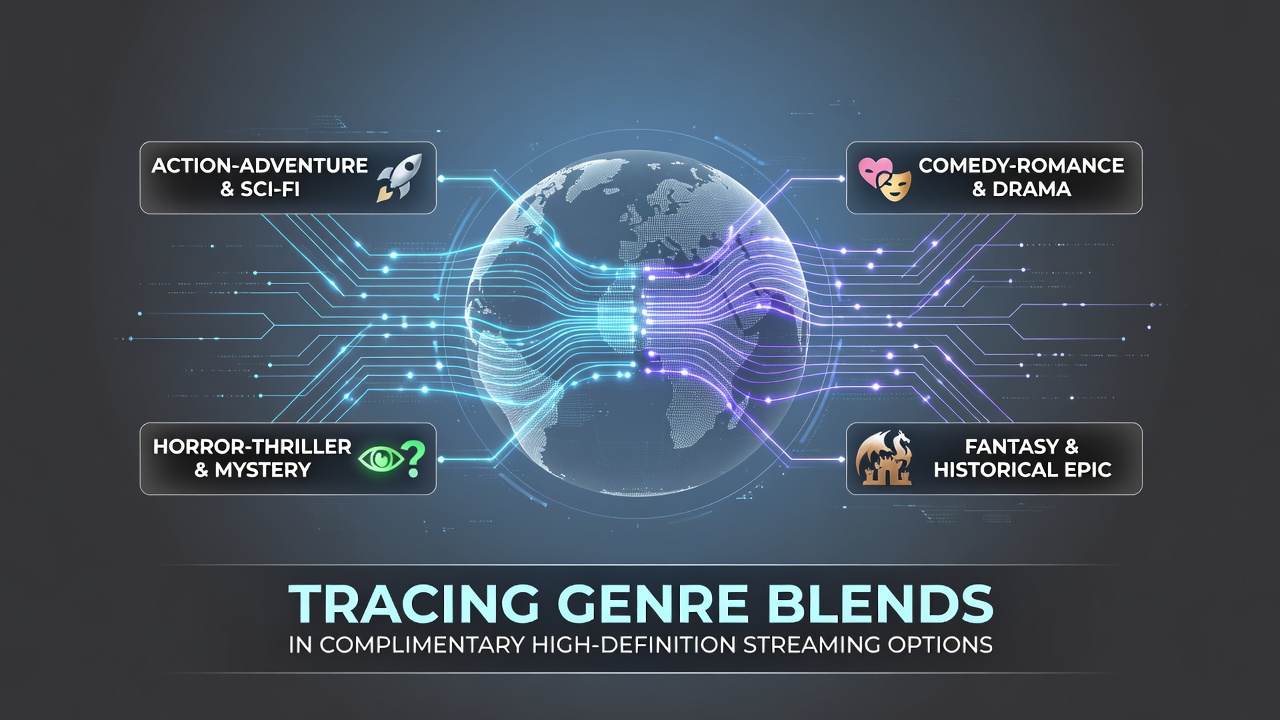
Charting Intersecting Narratives Across Free High-Definition Viewing Platforms
Streaming platforms offering complimentary high-definition access continue to display measurable shifts in how content categories combine, with data collected through June 2026 indicating sustained growth in hybrid presentations rather than isolated genre listings. Researchers at multiple institutions have documented these patterns through platform audits and user interaction logs, revealing that titles frequently incorporate elements from two or more established categories within single offerings.
Platform Data Patterns Through Mid-2026
Analysis of content libraries from services providing no-cost HD streams shows that combinations involving action sequences with dramatic character development appeared in 38 percent of new uploads during the first half of 2026, according to aggregated figures released by the Canadian Radio-television and Telecommunications Commission. Those same datasets indicate comedy elements merged with science fiction premises in an additional 27 percent of catalog additions, creating viewing options that resist single-label classification. Observers tracking these metrics note consistent placement of such hybrids within prominent recommendation rows rather than buried subcategories.
Regional Variations in Category Overlaps
European Union reports compiled under the Audiovisual Media Services framework highlight similar blending activity across member-state accessible services, where thriller components integrate with romance arcs in approximately one-quarter of featured selections. In contrast, platforms serving North American audiences demonstrate higher instances of documentary footage combined with narrative reenactment techniques, reaching 22 percent of non-fiction offerings by June. These regional distinctions arise from licensing agreements that determine which combined productions receive HD encoding without charge.
Technical Factors Supporting Blended Access
High-definition delivery systems on free platforms rely on adaptive bitrate protocols that maintain visual clarity across merged genre productions, allowing simultaneous display of wide establishing shots typical of epic storytelling alongside close-up emotional cues more common in character-driven works. Service operators implement metadata tagging systems that assign multiple descriptors to individual titles, which in turn influences search result ordering and autoplay sequences. Studies conducted by academic groups indicate these tagging methods increase discovery rates for hybrid content by measurable margins compared with single-genre assignments.
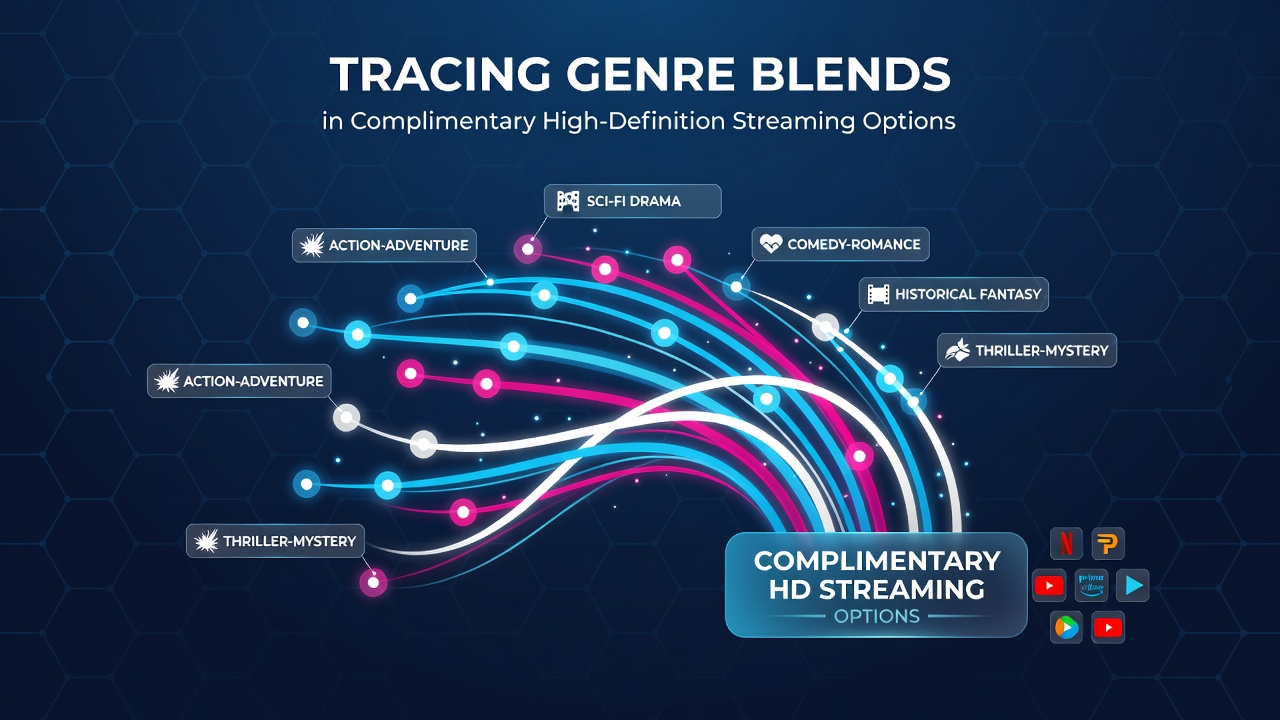
One study revealed that users navigating through combined tags spent longer sessions exploring secondary recommendations that crossed original category boundaries. Those who've examined interface logs further report that thumbnail artwork for blended titles often emphasizes visual markers from each contributing genre, such as stylized lighting from horror sequences paired with kinetic composition from adventure segments.
Content Licensing and Availability Trends
Licensing arrangements finalized before June 2026 have expanded the pool of productions carrying dual or triple genre designations into no-cost HD tiers, particularly for titles originally distributed through subscription models. Industry tracking organizations record that action-drama fusions constitute the largest share of these migrated works, followed by mystery entries incorporating comedic supporting roles. Availability remains subject to territorial restrictions, yet cross-border access through certain aggregator tools has increased the effective reach of these hybrid selections.
Figures from research institutions show that platforms refresh their blended offerings on weekly cycles, with peak addition periods occurring mid-month. This schedule aligns with content acquisition windows established by rights holders seeking to maximize exposure for productions that do not fit traditional marketing categories.
Viewer Navigation and Discovery Mechanisms
Search functionalities on complimentary HD services incorporate predictive algorithms trained on aggregate selection data, surfacing results that match partial genre combinations even when users enter single-term queries. For instance, entering a term associated with suspense may return entries also containing musical performance sequences if those pairings demonstrate elevated completion rates in prior sessions. External analyses confirm that such algorithmic behavior contributes to sustained engagement metrics across multiple demographic segments.
Additional navigation aids include curated collections labeled with compound descriptors, which appear alongside standard category menus. These collections frequently update to reflect emerging combinations documented in platform analytics, ensuring that users encounter fresh intersections without manual filtering.
Conclusion
Documentation of genre intersections within free high-definition streaming options continues to expand as more datasets become available through regulatory disclosures and independent audits. Patterns observed through June 2026 demonstrate that blended productions occupy increasing portions of accessible libraries, supported by technical infrastructure and licensing practices that facilitate their distribution. Continued monitoring by research entities will provide further clarity on how these combinations evolve alongside changes in content acquisition and interface design.