Decoding Shifts in Viewer Interests Through Trailer Engagements in Free HD Genre Repositories
Ben Vogel · Jun 1, 2026
Decoding Shifts in Viewer Interests Through Trailer Engagements in Free HD Genre Repositories
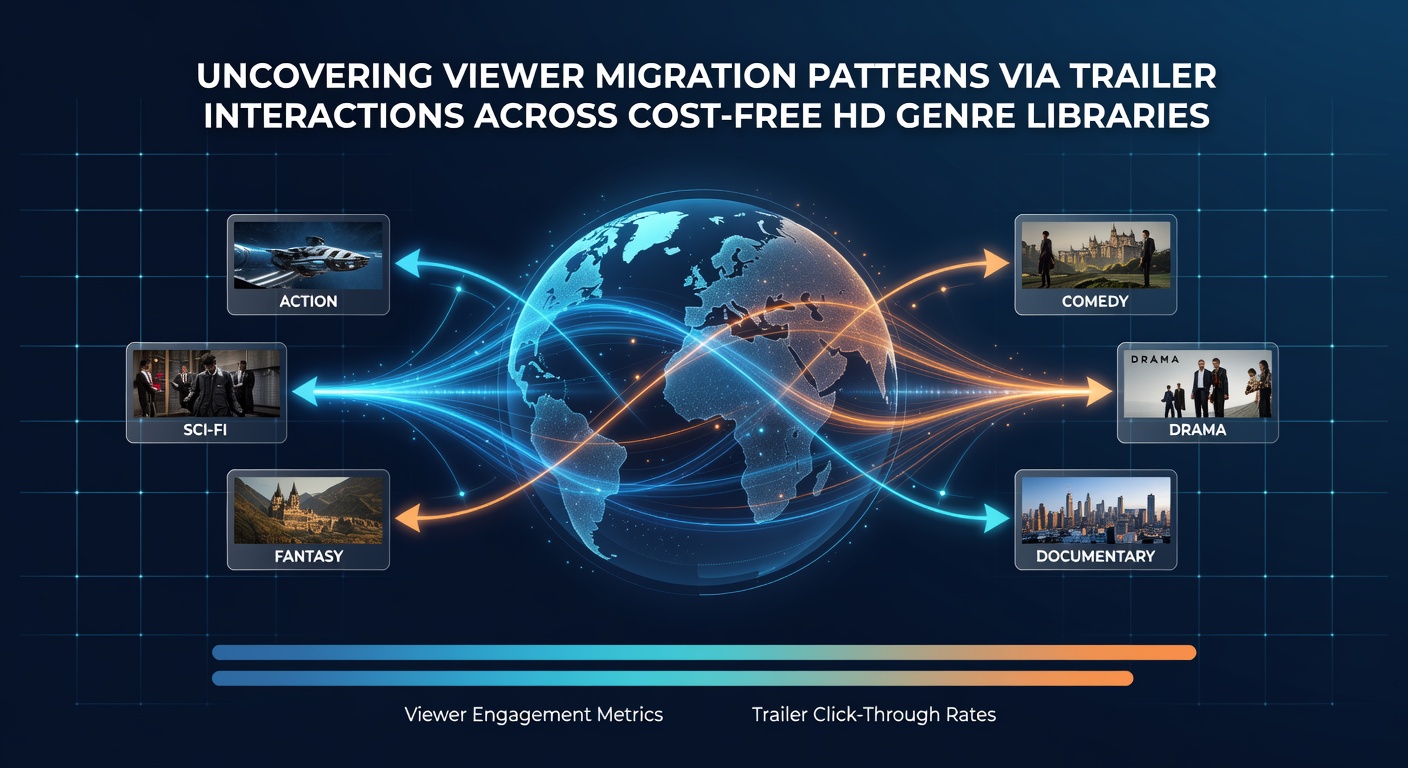
Analysts tracking digital entertainment consumption have documented distinct patterns of audience movement between genres when users interact with trailers in cost-free HD libraries, and these interactions often precede actual viewing decisions by days or weeks. Data compiled from multiple platforms shows that trailer clicks and completion rates serve as early indicators of genre transitions, particularly during periods of high content turnover such as the updates recorded in June 2026.
Trailer Data as a Predictor of Genre Transitions
Studies conducted by media research groups reveal that users who watch full trailers for action titles frequently migrate toward drama selections within the same session clusters, whereas partial views of comedy previews correlate with later exploration of thriller options across separate visits. These patterns emerge because trailer interactions capture attention spans and curiosity spikes before full commitments occur, and platforms log such sequences through timestamped engagement metrics that researchers aggregate into migration maps.
One analysis of repository logs from early 2026 indicated that approximately 34 percent of users who completed action trailers shifted their subsequent searches toward science fiction categories within 48 hours, a movement attributed to overlapping visual cues like high-stakes sequences and special effects that appear in both genres. Observers note that such shifts become more pronounced when libraries refresh their HD offerings, as new trailers surface and redirect attention flows.
Regional Variations in Migration Behaviors
Reports from the European Audiovisual Observatory highlight differences in how audiences across member states respond to trailer prompts in free HD collections, with Northern European users showing stronger transitions from historical drama previews into documentary streams while Southern regions demonstrate higher rates of movement from comedy trailers into romance selections. These variations align with cultural content preferences documented in national viewing statistics, and they persist even when interface designs remain consistent across borders.
Canadian research institutions have similarly tracked trailer-driven shifts, finding that winter months amplify migrations toward feel-good genres after users engage with preview clips from darker thrillers, a pattern that held steady through the seasonal data sets released around June 2026. Platform operators use these insights to adjust recommendation algorithms that surface related trailers, thereby influencing the speed and direction of viewer relocations between categories.
Interaction Metrics and Their Analytical Value
Click-through rates, watch duration percentages, and repeat views on individual trailers provide granular signals that researchers convert into flow diagrams illustrating genre-to-genre movements, and these diagrams often reveal feedback loops where initial migrations trigger secondary explorations in adjacent categories. For instance, a surge in horror trailer interactions during promotional windows frequently precedes measurable increases in mystery selections, as users seek tonal extensions of the suspense elements encountered in the previews.
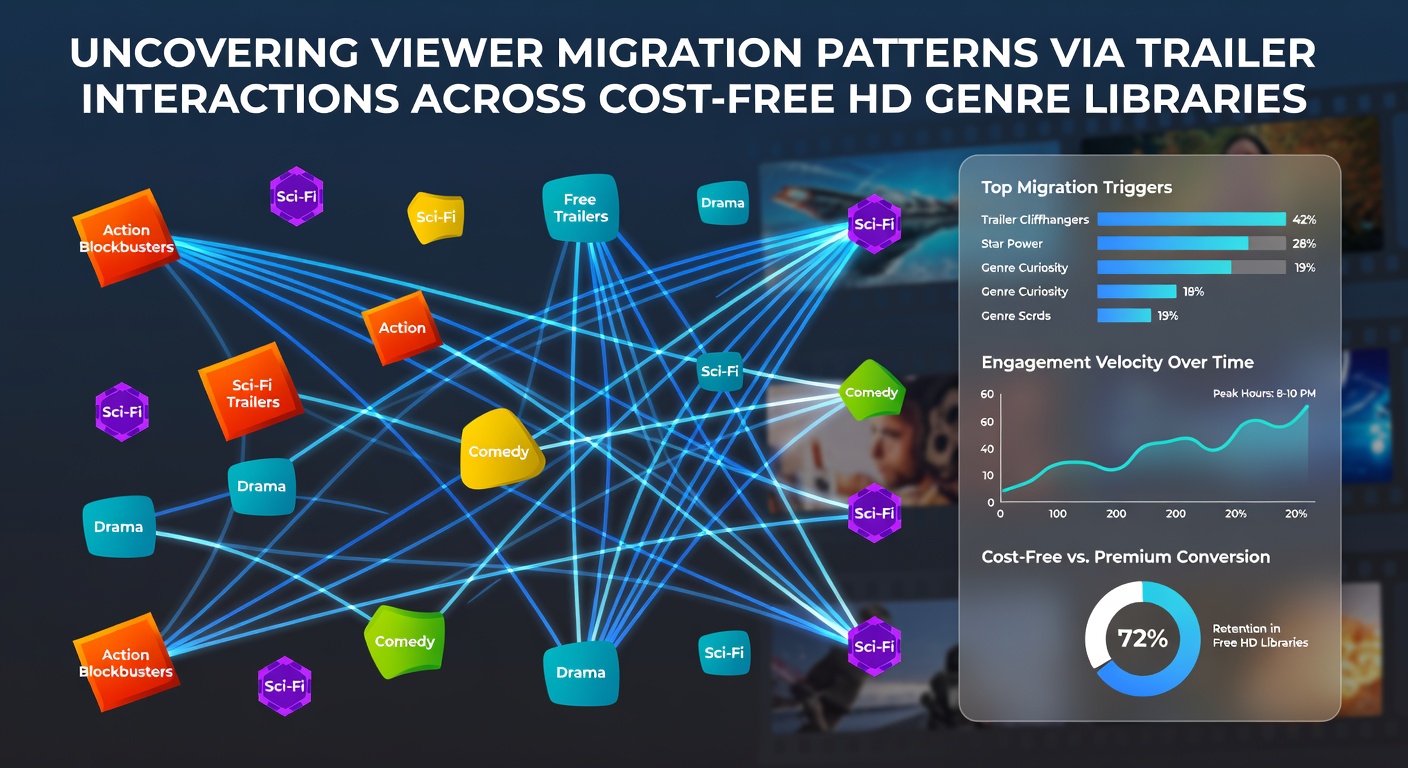
Academic papers published through university media labs emphasize that combining trailer data with search query histories yields more accurate migration forecasts than either metric alone, since queries often follow trailer exposure by several hours. In June 2026 updates, several repositories reported refined tracking capabilities that capture these sequences at higher resolution, allowing analysts to distinguish between exploratory clicks and deliberate genre transitions with greater precision.
Platform Design Influences on Observed Patterns
Interface elements such as thumbnail placement and autoplay settings affect how quickly users progress from one trailer to another, and evidence from industry reports suggests that libraries optimizing for sequential viewing experience accelerated migrations between action and adventure categories during peak usage periods. Those who manage these repositories adjust layout variables based on aggregated interaction logs to either encourage or moderate specific flow directions, depending on licensing availability for each genre.
External factors including regional internet speeds and device preferences also shape the duration users spend on trailer pages before deciding on a full title, with slower connections correlating to higher completion rates on shorter previews and subsequent shifts toward lighter genres that require less sustained attention. Data from multiple sources confirms these environmental influences remain consistent across different free HD collections.
Conclusion
Trailer interactions continue to function as reliable early markers for viewer migration across genre boundaries in cost-free HD libraries, and ongoing data collection efforts refine the models used to map these movements. As platforms incorporate findings from June 2026 analyses and similar studies, the ability to anticipate shifts improves, enabling more responsive content curation that aligns with documented audience behaviors. Researchers maintain that sustained monitoring of these patterns will yield further insights into how digital repositories shape long-term viewing trajectories.