Digital Infrastructure Supporting Global Film Access Through Broadband Networks
Ben Vogel · Jul 13, 2026

Digital Infrastructure Supporting Global Film Access Through Broadband Networks
Online movie streaming relies on complex networks of content delivery systems, data centers, and high-speed internet connections that transmit video files from remote servers directly to user devices. These systems have expanded significantly since the early 2010s, with bandwidth requirements increasing as resolutions moved from standard definition to 4K and beyond. In July 2026, industry reports showed continued investment in edge computing facilities across multiple continents to reduce latency for viewers in remote regions.
Core Technologies Behind Reliable Video Delivery
Content delivery networks distribute copies of film files across numerous geographic locations, which allows simultaneous access by millions of users without overwhelming central servers. Adaptive bitrate streaming adjusts video quality based on available connection speeds, a process that maintains playback continuity even during network fluctuations. Researchers at various institutions have documented how protocols like HTTP Live Streaming and Dynamic Adaptive Streaming over HTTP manage these adjustments in real time. Data from the Canadian Radio-television adn Telecommunications Commission indicates that average household download speeds in North America reached levels sufficient for multiple concurrent 4K streams by early 2026.
Encryption standards protect the transmitted data, while digital rights management systems control access according to licensing agreements between studios and platforms. These measures prevent unauthorized copying during transmission, although enforcement varies by jurisdiction. Observers note that hardware acceleration on modern devices further reduces processing demands, enabling smoother playback on smartphones, tablets, and smart televisions alike.
Regional Growth Patterns and Viewer Statistics
Subscription numbers for streaming services grew steadily in Asia-Pacific markets through 2025 and into 2026, driven by improved fiber optic rollouts in countries such as South Korea and Japan. European markets showed different trends, with some nations experiencing saturation while others continued expansion following regulatory changes that encouraged competition among providers. The Australian Communications and Media Authority published figures in mid-2026 revealing that over 85 percent of households in major cities maintained at least one active streaming subscription.
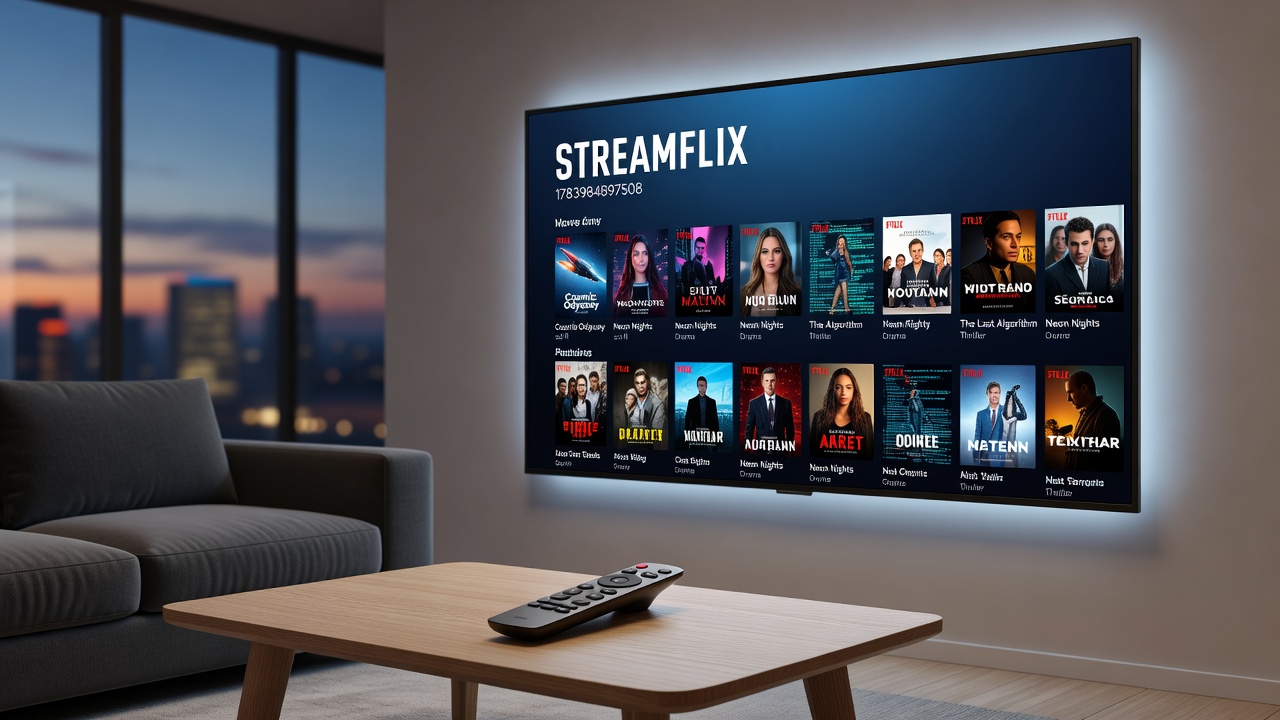
Mobile viewing increased notably during the same period, particularly in regions where cellular networks upgraded to 5G standards. People often combine multiple services to access different catalogs, a pattern that reflects fragmented licensing arrangements rather than any single dominant platform. Studies from academic sources have tracked how these habits influence overall data consumption, with video traffic accounting for the majority of internet bandwidth usage worldwide.
Content Licensing and Platform Operations
Studios license films to streaming services under time-limited agreements that specify geographic availability and exclusivity periods. These contracts determine which titles appear on which platforms at any given moment, creating catalogs that shift regularly. Platform operators invest in recommendation algorithms that analyze viewing history to suggest additional titles, thereby increasing average session duration. Such systems rely on large datasets collected from user interactions, subject to privacy regulations that differ across borders.
Original productions commissioned directly by streaming companies have become a standard practice, with production budgets sometimes rivaling those of traditional theatrical releases. In July 2026, several services announced upcoming slates that included both licensed back catalogs and new commissions, maintaining a balance between fresh content and evergreen titles. This approach supports subscriber retention while meeting diverse audience preferences across languages and genres.
Challenges in Network Capacity and Security
Peak usage periods, such as evenings and weekends, place heavy demands on shared infrastructure, prompting providers to implement traffic management techniques. Cybersecurity threats targeting streaming platforms have prompted ongoing upgrades to authentication systems and monitoring tools. Government agencies in multiple regions continue to address these issues through updated guidelines on data protection and service reliability.
Technical standards organizations work to harmonize formats and protocols, which reduces compatibility problems for end users. These collaborative efforts involve manufacturers, service providers, and content owners, resulting in incremental improvements that accumulate over time. Figures from international telecommunications bodies show consistent year-over-year growth in global internet video traffic, underscoring the scale of ongoing infrastructure needs.
Conclusion
The systems enabling online movie streaming continue to evolve through technological refinements and expanding network coverage. Data from regulatory sources across Canada and Australia, along with parallel reports from other regions, document steady increases in both capability and adoption. Licensing structures, security protocols, and delivery methods form an interconnected framework that supports access for diverse audiences worldwide. As network capacities grow and standards advance, the operational landscape for film distribution adapts accordingly.