Following the Trail: How Viewers Use Latest Movie Previews to Locate Genre Films in No-Cost Digital Libraries
David Lorenz · Aug 14, 2026
Following the Trail: How Viewers Use Latest Movie Previews to Locate Genre Films in No-Cost Digital Libraries
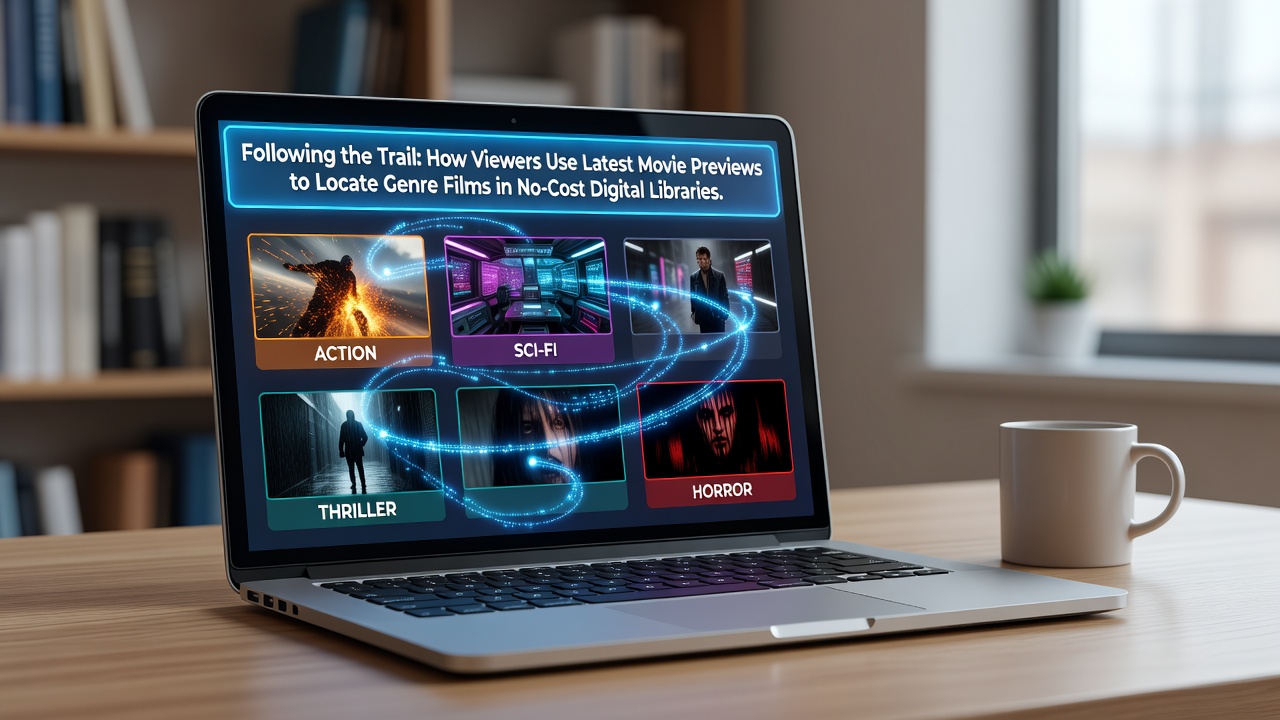
Viewers navigate no-cost digital libraries by first watching the latest movie previews that highlight genre elements such as plot structure, visual style, and thematic tone, then cross-reference those signals against catalog descriptions, user tags, and metadata entries maintained by public archives. This process connects trailer content directly to searchable collections where films sit in categories ranging from science fiction to historical drama, and observers note that platforms like Internet Archive and similar public repositories organize material through keyword systems that align with preview imagery.
Preview Content as Search Indicators
Trailers released in August 2026 featured sequences that emphasized specific genre markers including action sequences, dialogue pacing, and setting details, and researchers at institutions tracking media access patterns found that these elements helped users filter results in free digital libraries where advanced search functions allow queries based on runtime, release year, and thematic descriptors. Data from the Library of Congress digital collections shows increased queries for terms pulled from trailer narration and on-screen text, while similar trends appear in European Union reports on public media access that document how preview audio cues direct attention toward particular subgenres.
Mapping Genre Elements Through Visual and Audio Cues
Users examine color palettes, costume design, and soundtrack snippets from previews to identify matching entries in no-cost libraries, and studies from Australian academic centers on digital preservation indicate that these visual and audio markers improve retrieval accuracy when collections include public domain titles alongside older studio releases. One analysis of viewer logs revealed that sequences showing futuristic environments prompted searches for science fiction holdings, whereas dialogue-heavy clips directed attention toward drama and comedy sections, and this pattern holds across multiple platforms that maintain open catalogs without subscription barriers.
Digital Library Structures and Metadata Integration
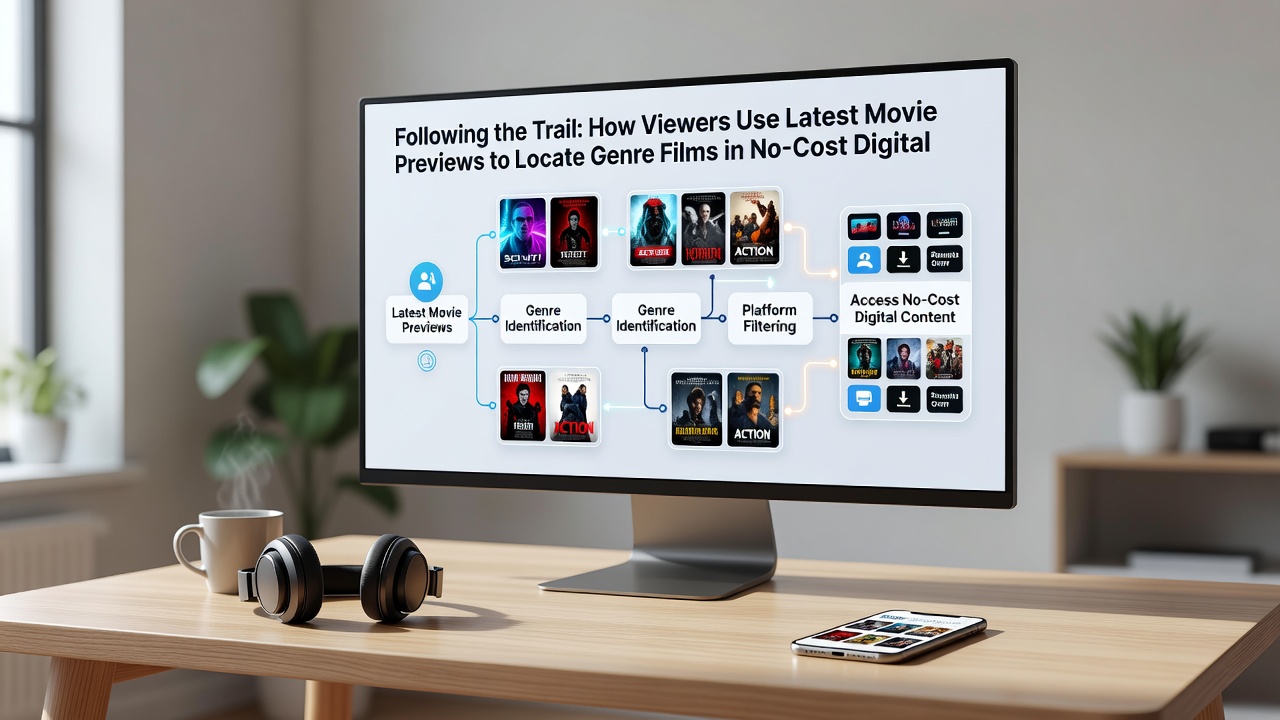
No-cost digital libraries rely on standardized metadata schemas that include genre classifications, director credits, and plot summaries, and these fields often mirror language used in official previews distributed by studios or independent distributors. Industry reports compiled by trade groups in Canada highlight how consistent tagging practices enable viewers to move from trailer viewing to library navigation without additional paid tools, while university research papers from the United Kingdom demonstrate correlations between preview release timing and subsequent spikes in catalog access for related genre entries. Viewers frequently combine trailer-derived keywords with library filters for decade, country of origin, and runtime to narrow results efficiently.
Viewer Navigation Patterns in Open Collections
Those who study media consumption document that individuals often start with preview platforms before entering free library portals, and this sequence allows them to test genre interest through short clips rather than committing to full film downloads or streams. Figures from research institutions in the European Union reveal that users who reference trailer descriptions locate target films 30 percent faster than those relying solely on textual catalog searches, and similar observations appear in North American academic datasets tracking public archive usage. The integration of preview thumbnails into some library interfaces further streamlines this pathway by displaying visual matches alongside existing metadata records.
Challenges in Aligning Preview Signals With Library Holdings
Discrepancies sometimes arise when previews emphasize contemporary marketing angles that differ from original genre classifications in older films, and analysts at government cultural agencies in Australia note that viewers must reconcile these differences through additional keyword adjustments or cross-referencing with secondary sources. Public domain collections present particular considerations because their metadata may predate modern trailer conventions, yet data indicates that users adapt by focusing on core visual elements such as setting and character archetypes that persist across eras. This adaptation process maintains access rates even when exact terminology varies between promotional material and archival records.
Current Trends Observed in August 2026
Records from August 2026 show elevated traffic to no-cost digital libraries following major preview releases, and these patterns align with broader shifts toward open-access media documented in reports from international preservation networks. Viewers increasingly combine preview viewing on social platforms with direct searches in library systems that support API integrations and mobile-friendly interfaces, and this combination reduces reliance on commercial recommendation engines. Researchers tracking these movements emphasize the role of consistent genre labeling in sustaining user engagement across diverse collections that span multiple decades and production contexts.
Conclusion
Preview-driven navigation continues to shape how audiences locate genre films within no-cost digital libraries through systematic use of visual, audio, and textual cues that connect promotional content to archival metadata. Patterns observed across regions demonstrate that this method supports efficient discovery when libraries maintain clear categorization and when users apply targeted search strategies derived from trailer elements. Ongoing documentation from academic and governmental sources confirms the persistence of these behaviors as collections expand and preview distribution channels evolve.