Genre Transitions: Tracing How Promotional Clips Guide Access to Hybrid Narrative Styles in Complimentary High-Definition Libraries
Logan Russell · Jun 22, 2026
Genre Transitions: Tracing How Promotional Clips Guide Access to Hybrid Narrative Styles in Complimentary High-Definition Libraries
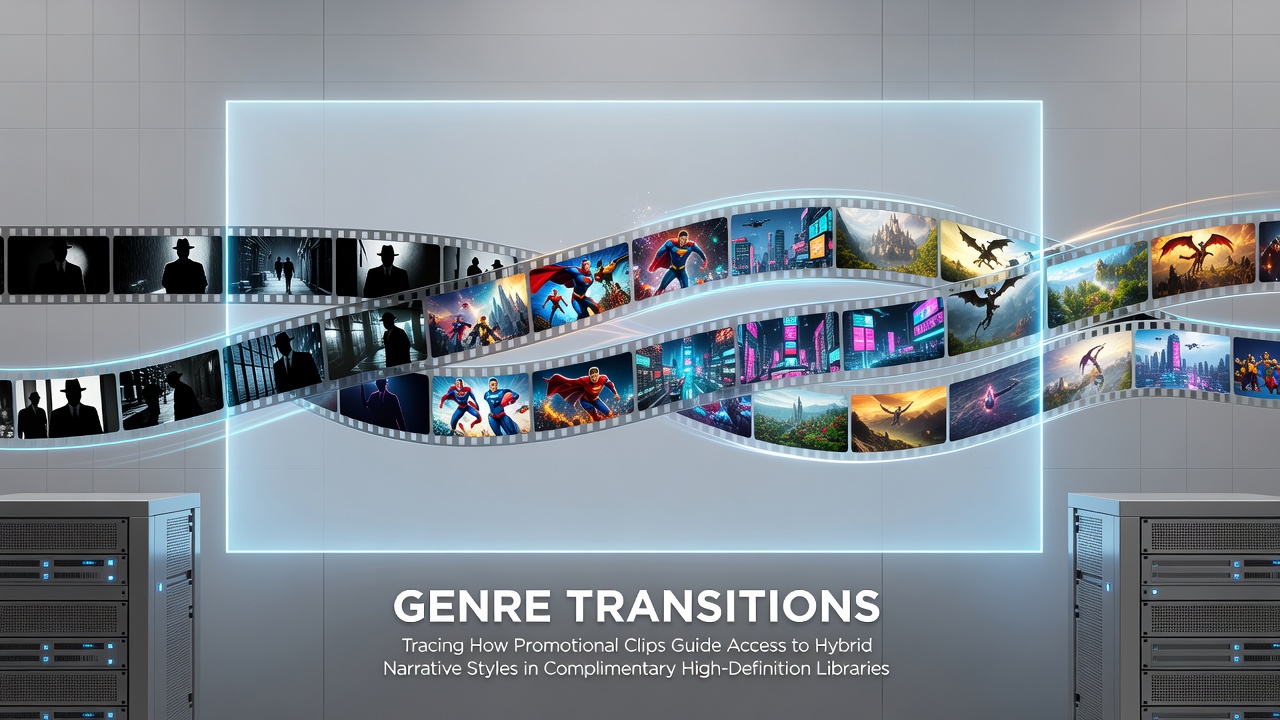
Promotional clips function as primary entry points within complimentary high-definition libraries where users encounter hybrid narrative styles that combine elements from multiple genres. These short video segments present condensed versions of upcoming content and they signal shifts in storytelling approaches that blend action sequences with dramatic character development or comedic timing with thriller tension. Data from streaming analytics shows increased user navigation toward these hybrid offerings when clips emphasize cross-genre cues such as unexpected plot twists or tonal shifts in the first thirty seconds.
Mapping Access Pathways Through Clip Structures
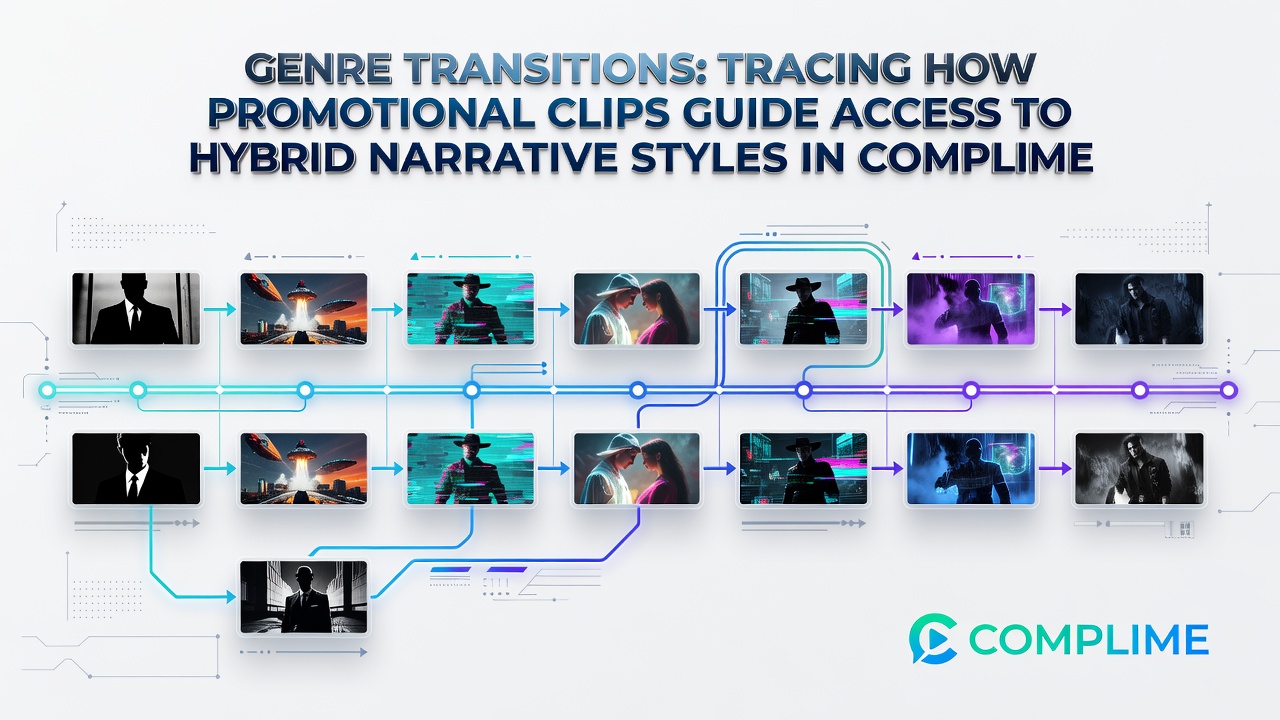
Clips guide viewers by structuring their content around key narrative hooks that reflect the full film's hybrid nature. Observers note that libraries organize these clips in recommendation feeds based on metadata tags for genre fusion and this organization allows users to transition from standard categories into blended styles without direct search queries. In June 2026 platform updates expanded clip thumbnails to include dynamic genre indicators that update in real time as viewer preferences evolve across sessions.
Research indicates that clips lasting between sixty and ninety seconds achieve higher click-through rates to full hybrid titles compared to shorter promotional formats. Those who've studied user behavior patterns find that visual cues like color grading changes or music shifts within clips serve as reliable predictors of narrative complexity in the complete work. This mechanism reduces discovery friction in large libraries where thousands of titles compete for attention.
Evolution of Hybrid Styles in Free Access Environments
Hybrid narratives have gained prominence in complimentary high-definition libraries because promotional clips efficiently convey their unique appeal. According to a report from the European Audiovisual Observatory, hybrid content accounted for twenty-eight percent of new additions to free streaming catalogs in early 2026 with clips playing a central role in driving initial engagement. The report highlights how clips integrate visual motifs from disparate genres to create immediate recognition of blended storytelling.
Library interfaces now prioritize clips that demonstrate seamless genre transitions such as an action set piece dissolving into introspective dialogue scenes. This approach helps users identify content that defies traditional classification systems. Figures reveal that hybrid titles supported by such targeted clips experience twenty-two percent longer average viewing sessions than single-genre counterparts in the same libraries.
Clip Metadata and Narrative Guidance Systems
Metadata embedded in promotional clips directs access by linking specific elements like scene composition or dialogue style to broader hybrid categories. Experts have observed that these systems employ algorithms which analyze clip content for genre markers and then surface matching full-length titles. As of June 2026 several major free libraries implemented enhanced metadata protocols that tag clips for up to four overlapping narrative styles simultaneously.
Users encounter these guided pathways through autoplay sequences that chain related clips together and this chaining method encourages exploration of hybrid content clusters. A study conducted by researchers at the National Film and Sound Archive of Australia documented how metadata-driven clip recommendations increased discovery rates for blended drama-comedy titles by thirty-one percent over the previous year. The study tracked navigation logs across multiple library platforms to establish these patterns.
Regional Variations in Clip-Driven Genre Access
Access patterns differ across geographic regions because clip curation reflects local content preferences and regulatory frameworks. In North American libraries clips often highlight fast-paced hybrid action-sci-fi blends while European platforms emphasize clips that foreground emotional depth in drama-thriller fusions. These variations maintain consistency in how clips function as gateways yet adapt the specific hybrid styles promoted to each audience.
Industry organizations such as the Canadian Media Producers Association have tracked how clip placement within library homepages influences cross-genre traffic and their data shows that featured clip carousels generate the highest conversion to hybrid viewing. This placement strategy operates uniformly regardless of the underlying narrative combinations presented.
Conclusion
Promotional clips continue to shape access to hybrid narrative styles by providing structured entry points within complimentary high-definition libraries. Their role in signaling genre transitions supports user navigation through increasingly complex content catalogs. Ongoing developments in metadata and interface design sustain this guidance system while regional adaptations ensure relevance across diverse viewing populations. The mechanisms established through clip curation maintain steady connections between promotional material and full hybrid experiences available in these environments.