Global Patterns in Internet-Based Movie Distribution Services
Logan Russell · Aug 7, 2026

Global Patterns in Internet-Based Movie Distribution Services
Internet-based movie distribution has expanded rapidly since the early 2000s, with data from multiple regions showing steady increases in subscriber numbers and content hours viewed each year. Observers note that broadband infrastructure upgrades in urban and rural areas alike have supported this growth, allowing higher resolution streams without the buffering issues common in earlier decades. According to reports from the European Audiovisual Observatory, digital film services accounted for a rising share of total audiovisual revenue across EU member states by mid-2026, driven by both subscription models and ad-supported tiers.
Platforms deliver films through content delivery networks that cache popular titles closer to end users, which reduces latency and improves playback reliability during peak evening hours. Researchers have documented how adaptive bitrate streaming adjusts quality based on available bandwidth, a technique that became standard after initial experiments in the 2010s. Those who track industry metrics point out that 4K and HDR formats now represent a growing portion of library catalogs, though adoption rates vary by country due to differences in household internet speeds.
Regulatory Frameworks Across Regions
Governments have introduced rules addressing licensing, data protection, and competition in this sector. In Australia the Communications and Media Authority oversees compliance with local content quotas on streaming services, requiring certain percentages of Australian productions in catalogs. Canadian regulators through the CRTC have examined similar obligations while monitoring foreign platform dominance in the domestic market. These measures aim to balance consumer access with support for national film industries, and data collected through 2026 indicates ongoing adjustments to enforcement practices.
Cross-border licensing remains complex because rights holders negotiate separate agreements for each territory. Industry reports show that many services maintain region-specific libraries, with geo-blocking technology enforcing those boundaries. Users sometimes encounter different release schedules or title selections depending on their location, a pattern that persists despite calls for greater harmonization from consumer groups.
Technological Shifts and Viewing Habits
Improvements in compression algorithms have allowed services to offer more titles at lower data costs, which benefits viewers on mobile networks or in areas with data caps. Studies from academic institutions have examined how recommendation systems influence discovery, tracking how algorithmic suggestions affect the visibility of older catalog films versus recent releases. In August 2026 several major providers rolled out enhanced personalization features that incorporate viewing history across multiple devices, a development that followed earlier tests in select markets.
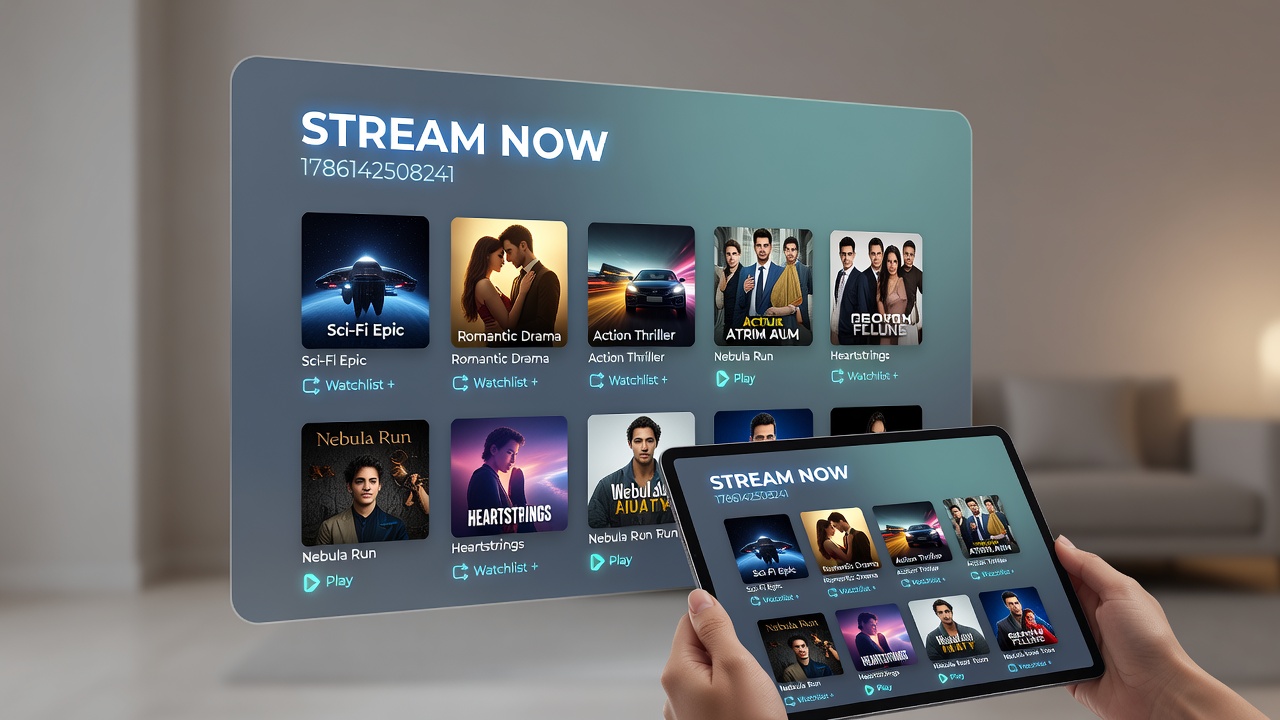
Device diversity has also changed consumption patterns. Smart televisions, tablets, and game consoles now serve as primary screens for many households, while integration with voice assistants enables hands-free navigation. Figures from trade associations reveal that simultaneous streaming on multiple devices within a single account has become common, prompting providers to refine password-sharing policies. Security protocols have evolved in parallel, with two-factor authentication and device verification appearing more frequently to limit unauthorized access.
Content Acquisition and Library Management
Services acquire films through licensing deals that often include windows of exclusivity before titles move to other formats or platforms. Production studios retain significant leverage in these negotiations, particularly for high-profile releases. Observers have noted that some platforms invest directly in original productions to secure long-term control over popular properties, a strategy that expanded after successful early experiments. Library sizes differ widely, with larger services offering tens of thousands of titles while niche platforms focus on specific genres or regional cinema.
Metadata accuracy and search functionality affect user experience, and developers continue to refine tagging systems that help surface relevant content. Analytics tools allow operators to monitor engagement metrics such as completion rates and rewatch frequency, which in turn inform future acquisition decisions. These practices rely on aggregated user data while complying with privacy regulations that vary by jurisdiction.
Conclusion
Internet-based movie distribution continues to adapt to technological capabilities, regulatory requirements, and shifting audience behaviors documented through 2026. Infrastructure investments, content licensing arrangements, and device innovations collectively shape how films reach viewers across different markets. Ongoing developments in compression, personalization, and compliance frameworks suggest further evolution in the years ahead, with data from regulatory bodies and industry groups providing measurable indicators of these changes.