Licensing Models Behind Free Genre Movie Streams
Tina Schmid · Jul 24, 2026
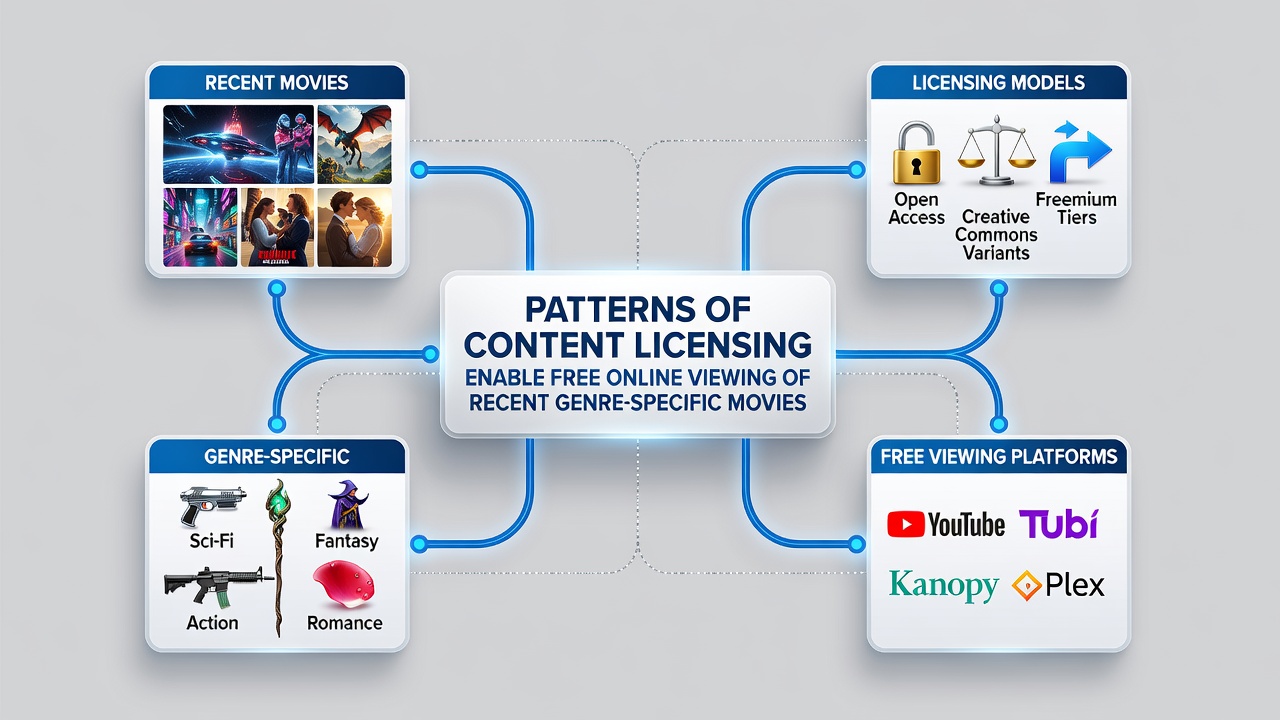
Licensing Models Behind Free Genre Movie Streams
Content licensing creates pathways for recent genre-specific films to reach viewers without direct payment, and these arrangements rely on structured agreements between rights holders and distribution platforms. Studios retain ownership while granting limited access periods that align with advertising revenue models, and such deals frequently target categories like horror, science fiction, or thrillers because those genres often carry lower clearance costs than broad-appeal blockbusters. Platforms operating under ad-supported video on demand frameworks negotiate non-exclusive rights that permit free streaming in designated regions, and these contracts typically specify resolution limits, geographic boundaries, and duration windows measured in months rather than years.
Core Elements of AVOD Agreements
Ad-supported services obtain catalogs through direct negotiations with major distributors, and each license specifies the number of titles, the genres permitted for promotion, and the percentage of ad inventory allocated to revenue sharing. Data from industry reports shows that horror films frequently appear in these bundles because their production budgets allow for more flexible secondary rights deals, whereas action franchises tend toward exclusive premium windows first. As of July 2026, several platforms expanded genre-focused libraries after securing multi-year extensions with independent producers, and these extensions included provisions for simultaneous release on free tiers in select markets. Observers note that contracts often embed performance clauses requiring minimum viewer hours before renewal, which encourages platforms to prioritize titles with proven engagement metrics in particular genres.
Regional and Regulatory Variations
Licensing patterns differ across jurisdictions because local audiovisual regulations influence how rights can be bundled or subdivided. In the European Union, the Audiovisual Media Services Directive shapes obligations for on-demand services, and providers must comply with prominence rules that affect how genre catalogs are displayed to users. Canadian broadcasters have developed hybrid licensing approaches that combine public funding incentives with private studio deals, and these arrangements enable free access to recent Canadian-produced thrillers and dramas on domestic platforms. Australian classification guidelines further determine which titles qualify for immediate free streaming, and data indicates that lower classification ratings accelerate licensing speed for comedy and family-oriented science fiction releases. Experts have observed that cross-border agreements now incorporate metadata tagging systems that automatically enforce genre-specific availability rules, reducing manual oversight while maintaining compliance across multiple territories.
Genre-Targeted Deal Structures
Specialized licensing for genre films often involves package deals where platforms acquire blocks of similar titles rather than individual features, and this aggregation lowers administrative expenses for both parties. Horror and suspense catalogs, for example, frequently transfer together because shared audience demographics allow platforms to optimize ad targeting and increase revenue per viewer. Research indicates that science fiction titles released within the past eighteen months appear in free libraries more readily when they originate from mid-tier studios rather than major conglomerates, and these patterns reflect differences in rights retention strategies. One study revealed that platforms refresh genre sections quarterly to align with seasonal viewing trends, and such rotations depend on rolling license terms that permit substitution of older entries with newer acquisitions. Those who have examined contract language find that most genre licenses include clauses for subtitle and dubbing rights, which expands accessibility without additional per-title fees.
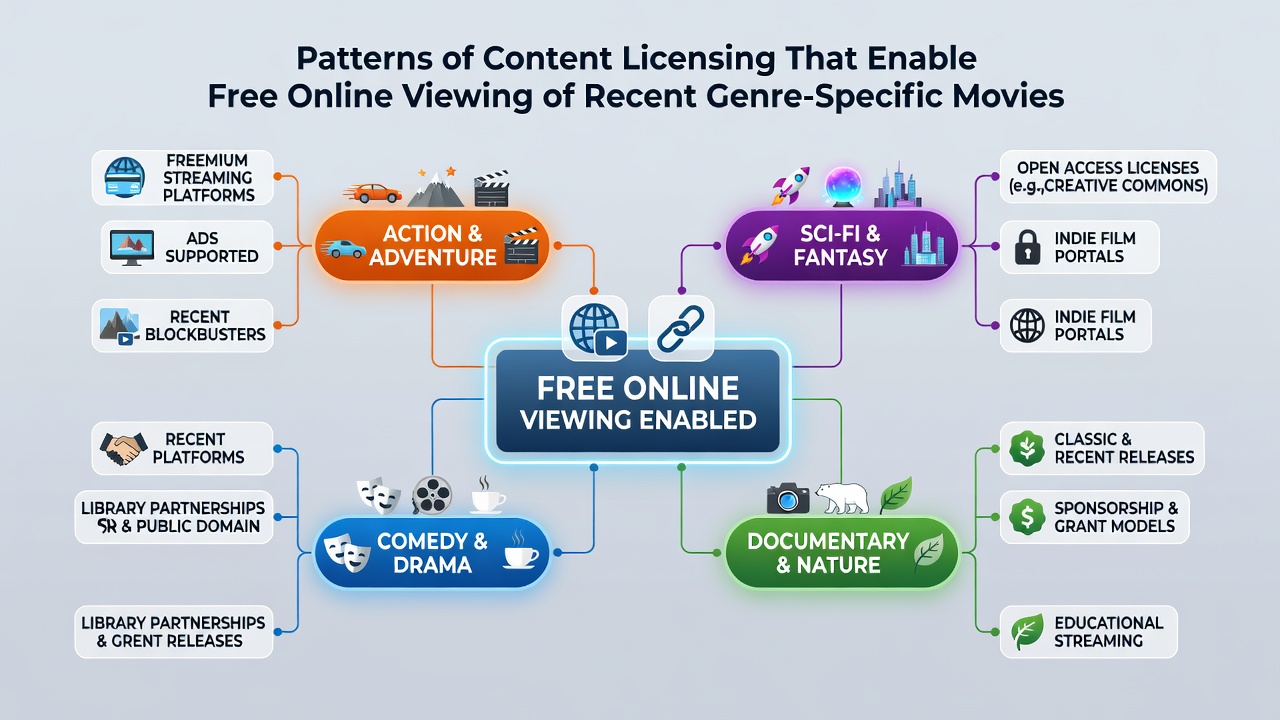
Windowing strategies further refine access, and distributors commonly grant free ad-supported rights only after a theatrical or premium video-on-demand period concludes. This sequencing protects primary revenue streams while still monetizing secondary markets through advertising, and genre films sometimes receive accelerated windows when performance data supports earlier free availability. Figures from trade associations reveal that thriller licenses in 2025 and 2026 increasingly featured simultaneous deals across North American and Asian platforms, and these multi-territory arrangements reduce overall clearance timelines. Platforms must also manage music synchronization rights within films, and separate clearances for soundtracks can delay or restrict genre releases on free services.
Technology and Compliance Integration
Digital rights management systems embedded in licensing agreements enforce geographic and temporal restrictions automatically, and these tools prevent unauthorized cross-border viewing while permitting legitimate access in approved regions. Metadata standards developed by industry consortia allow platforms to tag titles by genre, release date, and license expiration, which streamlines catalog management and reduces errors in availability displays. Researchers discovered that automated compliance checks now verify ad load requirements against license terms, and this automation supports the financial viability of free viewing models. Government agencies in multiple regions publish annual reports on audiovisual market trends, and those documents track how licensing density affects the number of recent genre titles offered without charge.
Conclusion
Licensing frameworks continue to evolve in response to shifting distribution economics, and genre-specific patterns remain central to expanding free online libraries. Contracts balance studio revenue goals with platform operational needs, while regulatory environments add layers of compliance that vary by territory. Data from multiple sources confirms that structured agreements, rather than ad hoc arrangements, underpin the consistent availability of recent genre films on free services, and these models show no signs of diminishing in complexity or geographic reach.