Mapping Collective Insights on Genre Transitions Within Peer-Enabled Film Access Systems
Logan Russell · Jul 10, 2026
Mapping Collective Insights on Genre Transitions Within Peer-Enabled Film Access Systems
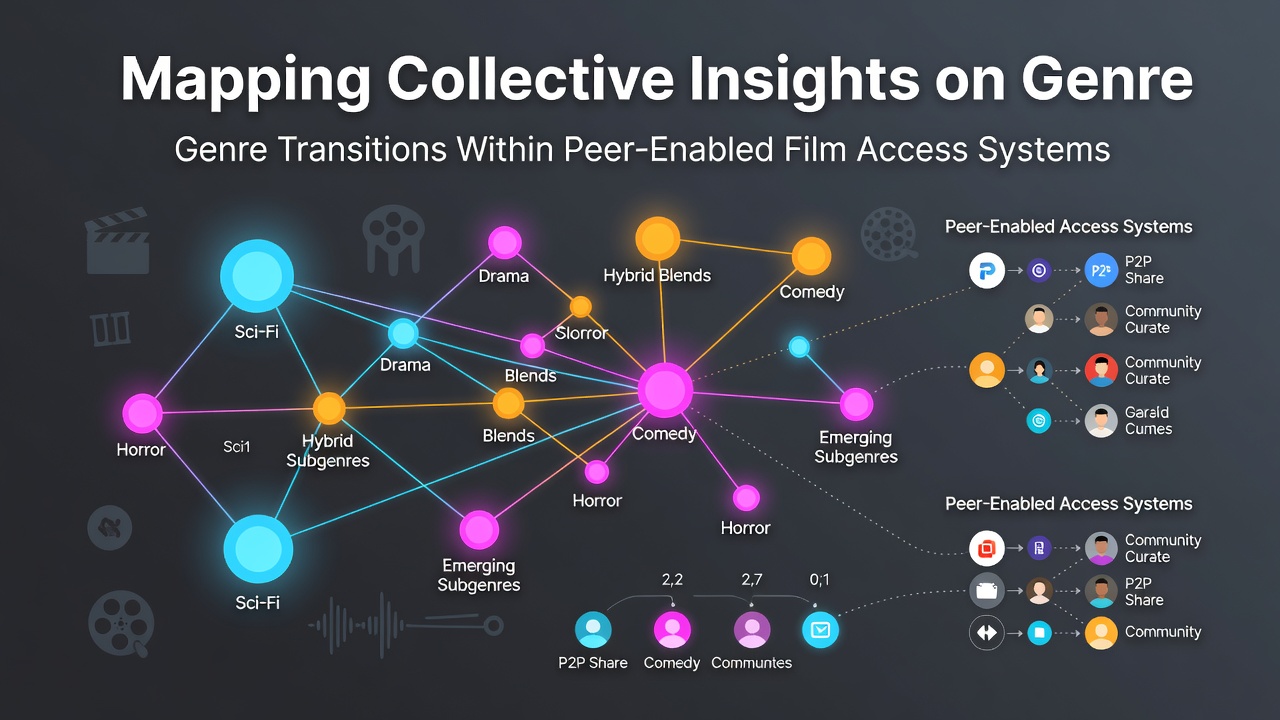
Peer-enabled film access systems have evolved into structured networks where users exchange content through decentralized protocols and collaborative indexing tools, and researchers have tracked how these environments reveal shifts between genres over extended periods. Data collected from multiple nodes shows transitions often follow predictable sequences as audiences move from established categories like drama into hybrid forms that blend elements of science fiction and documentary styles.
Understanding the Structure of Peer Networks
Decentralized platforms operate without central servers, which allows participants to upload, index, and retrieve film files directly, while metadata tags attached to each file create collective maps of genre movement. Studies conducted by the European Audiovisual Observatory indicate that between 2024 and 2026 these networks processed increasing volumes of cross-genre content, particularly in regions where broadband infrastructure supports high-speed transfers.
Observers note that indexing algorithms rely on user-generated labels and automated analysis of audio-visual features, and this dual approach captures transitions that traditional broadcast metrics often miss. In July 2026, network activity logs showed a measurable uptick in files tagged with both action and historical elements, suggesting a sustained interest in period pieces that incorporate kinetic sequences.
Tracking Genre Shifts Through Collective Data
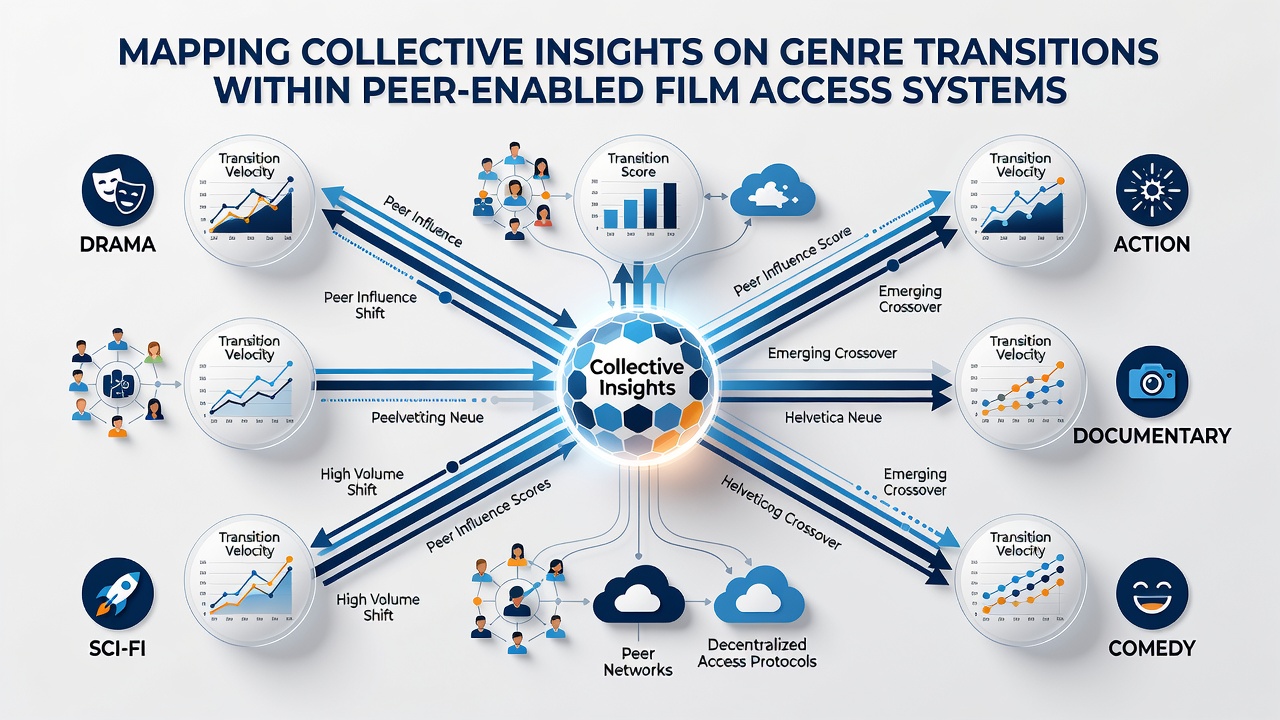
Collective insights emerge when aggregated user behavior is analyzed across thousands of simultaneous sessions, and patterns become visible when transition matrices plot the frequency of genre pairs within shared libraries. Academic work from the University of Melbourne's Digital Media Research Centre has documented how comedy files frequently precede entries labeled as thriller or mystery within the same user clusters.
These matrices rely on temporal data that records when a user adds a new genre tag after downloading from an established category, and the resulting graphs display clusters that expand during specific calendar windows. Evidence from platform telemetry collected in early 2026 revealed that horror content often serves as a bridge into experimental or arthouse material, with transition rates climbing by double-digit percentages in several monitored regions.
Regional Variations in Transition Patterns
Geographic differences appear when network traffic is segmented by IP ranges and language metadata, whereas North American nodes display stronger movement toward documentary hybrids while European clusters favor drama-to-animation pathways. Reports issued by the Australian Classification Board highlight how local regulatory tagging influences these flows, since classification labels attached to files affect discoverability within peer indexes.
One dataset compiled during the second quarter of 2026 demonstrated that Latin American participants contributed disproportionately to transitions involving musical and biographical genres, and these patterns aligned with festival release schedules that circulated through the same decentralized channels.
Technological Tools Enabling the Mapping Process
Visualization software processes raw log files into layered graphs that display both volume and velocity of genre changes, and open-source libraries allow researchers to overlay demographic indicators without compromising node anonymity. Machine-learning models trained on historical transition data now predict likely next genres for active user groups, although accuracy varies according to the density of metadata available in each regional subgraph.
Integration with distributed ledger systems has added timestamp verification to transition records, which reduces duplication when the same file circulates under multiple genre labels. Figures released by the Canadian Media Fund in mid-2026 showed that verified transition counts increased after ledger adoption, because duplicate entries dropped and cleaner datasets emerged for analysis.
Implications for Content Distribution Models
Production companies monitor these collective maps to identify emerging audience preferences before formal release windows, and several studios have adjusted marketing budgets toward genres that appear as frequent destination nodes in peer transition graphs. Regulatory bodies in multiple jurisdictions have begun incorporating network-derived statistics into annual media consumption reports, which broadens the data sources beyond traditional survey methods.
Future iterations of mapping tools are expected to incorporate real-time sentiment analysis drawn from associated discussion forums that run alongside the file-sharing protocols, and this addition would link emotional response data to specific transition sequences.
Conclusion
Mapping collective insights on genre transitions within peer-enabled film access systems provides a data-driven view of how audiences navigate content categories through decentralized channels. The combination of user metadata, temporal logs, and regional segmentation produces transition models that reflect actual exchange patterns rather than reported preferences alone. Continued refinement of these analytical frameworks will likely yield more precise forecasts of genre movement as network participation grows through 2026 and beyond.