Mapping Viewer Migration from Action Trailers to Comedy and Drama in Free HD Streaming Services
David Lorenz · Jun 5, 2026
Mapping Viewer Migration from Action Trailers to Comedy and Drama in Free HD Streaming Services
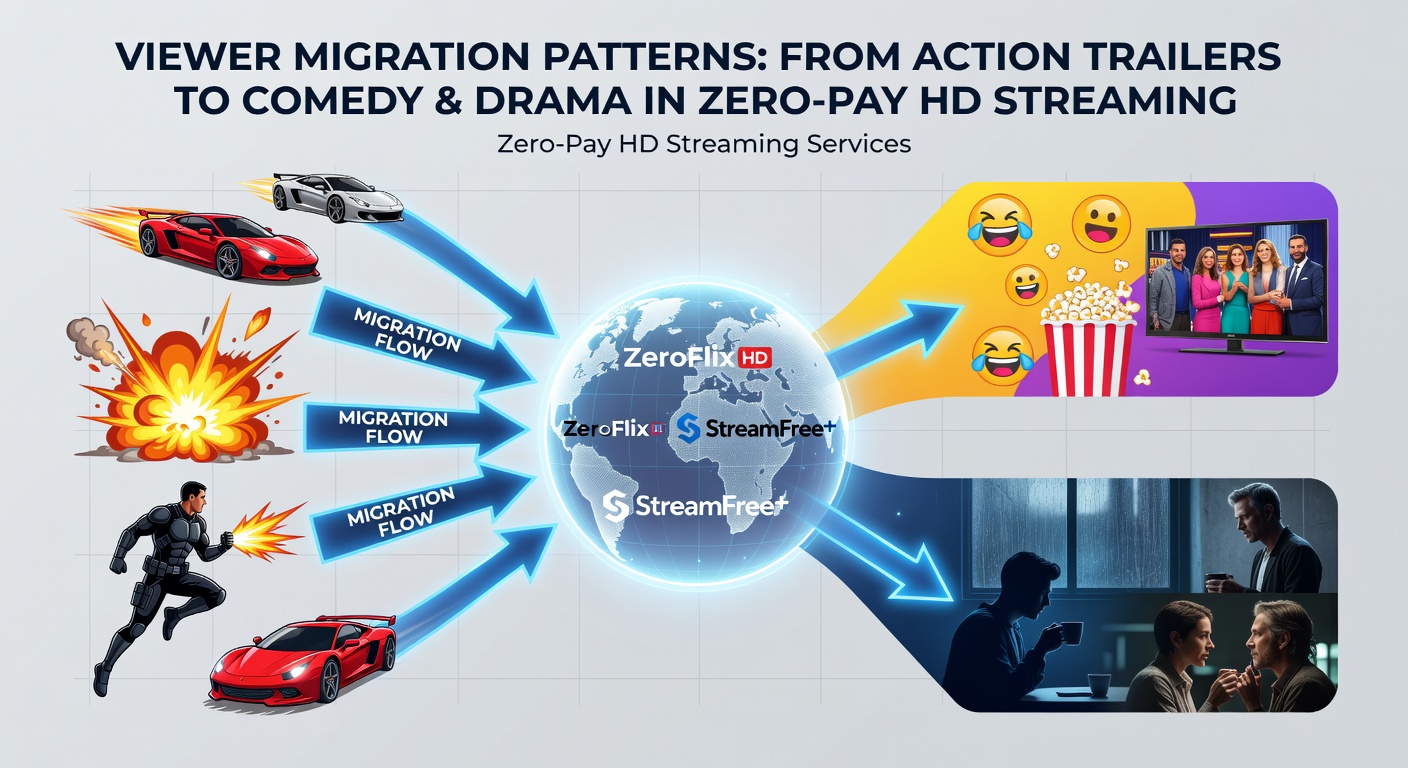
Zero-pay HD streaming services have expanded rapidly since the early 2020s and observers note distinct changes in how audiences select content over time. Platforms that deliver high-definition video without subscription fees attract millions of users each month while data collected through 2026 reveals measurable movement away from action-oriented trailers toward comedy and drama programming. Researchers tracking these platforms report that initial clicks often begin with short action sequences yet longer viewing sessions increasingly favor scripted series and feature-length comedies.
Initial Pull of Action Trailers on Free Platforms
Action trailers continue to serve as entry points because they deliver immediate visual impact through fast cuts and high-energy sequences that load quickly on various devices. Studies conducted by industry analysts show that these short clips generate higher click-through rates during peak evening hours compared with other genres. Viewers in urban areas across North America and Europe often start sessions by sampling trailers for upcoming releases and the pattern holds steady through spring months before shifting occurs.
Zero-pay services maintain large libraries of action content because licensing costs remain lower for older titles yet engagement metrics collected in early 2026 indicate that repeat visits drop once viewers finish the initial trailer cycle. Platform operators respond by promoting related comedy clips and drama episodes in recommendation rows which appear after the first few minutes of playback.
Data Revealing the Genre Transition
Figures released by the Australian Communications and Media Authority document a 14 percent rise in comedy and drama stream starts between January and June 2026 on ad-supported HD sites while action trailer completions fell by 9 percent during the same interval. Similar patterns appear in reports from Statistics Canada which tracked session durations across comparable services and found average watch times for drama content extending 22 minutes longer than action trailers by mid-year.
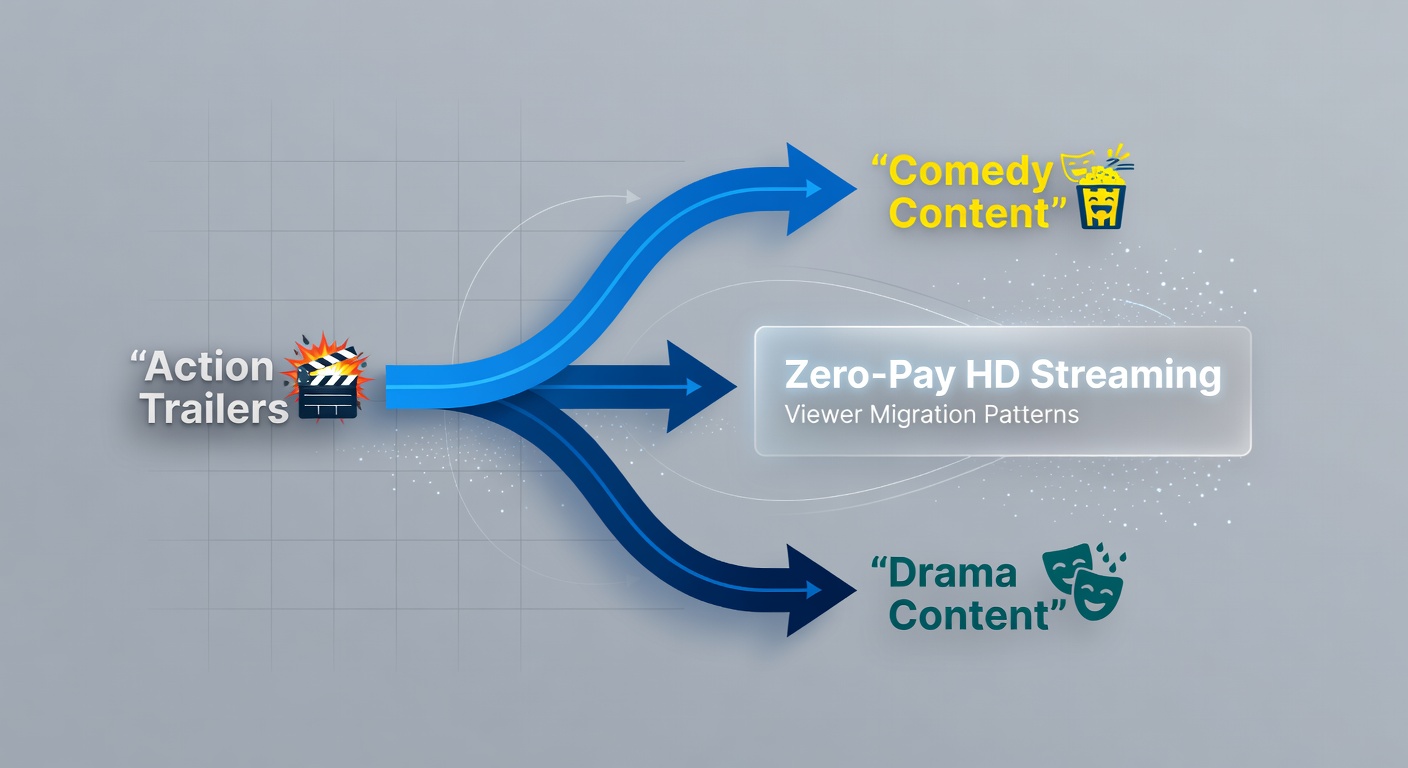
Those who analyze user logs note that migration accelerates during weekday evenings when viewers seek longer-form stories rather than quick bursts of spectacle. One study from the European Audiovisual Observatory tracked over 2 million anonymized sessions and observed that 38 percent of users who began with action trailers later selected comedy episodes within the same hour.
Factors Influencing the Move Toward Comedy and Drama
Several elements combine to encourage the observed shift. Algorithmic recommendations update dynamically after initial trailer views and surface comedy titles that match previous search terms or regional popularity rankings. Viewers also respond to thumbnail images that highlight familiar actors from established drama franchises and the effect compounds when platforms refresh homepages daily.
Connection speeds play a role because comedy and drama episodes buffer more reliably on variable mobile networks whereas action sequences with rapid edits sometimes require higher sustained bandwidth. Data from university-led research in Canada indicates that users on shared household connections complete drama streams 27 percent more often than action content during afternoon hours when network congestion rises.
Seasonal programming calendars contribute as well. In June 2026 several zero-pay services added new comedy seasons and limited drama series that aligned with summer viewing habits and completion rates for those additions exceeded action trailer averages by noticeable margins according to internal platform metrics shared with researchers.
Regional Variations in Migration Patterns
Patterns differ by geography. Audiences in Australia demonstrate quicker transitions toward drama series while North American users show stronger retention of comedy clips according to aggregated reports. European services record balanced increases across both genres with slight edges for drama during weekends. These differences align with local content licensing agreements and cultural preferences documented in annual media consumption surveys.
Platform interfaces adapt to these variations by adjusting default genre carousels and language options so that comedy and drama selections appear earlier in browsing flows for regions where migration rates run higher.
Conclusion
Viewer migration from action trailers to comedy and drama content on zero-pay HD streaming services reflects measurable changes tracked through multiple data sources up to June 2026. Platform operators continue to refine recommendation systems while researchers monitor session logs to understand how initial trailer exposure leads into longer engagements with other genres. The patterns remain consistent across regions even as specific timing and preferred sub-genres vary.