Mapping Viewer Teaser Interactions to Uncover Genre Blends in Free HD Release Collections
Ben Vogel · Jun 3, 2026
Mapping Viewer Teaser Interactions to Uncover Genre Blends in Free HD Release Collections
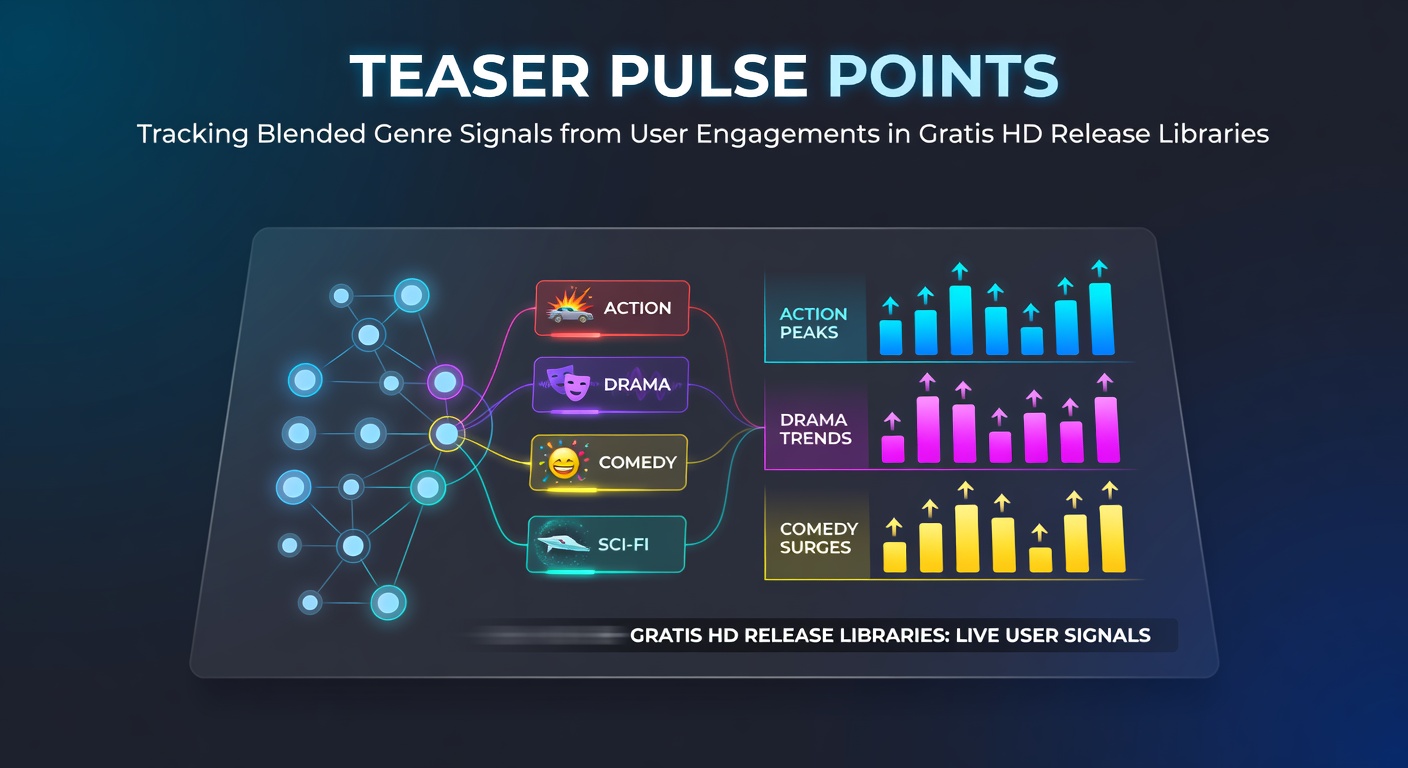
Platforms offering gratis HD releases collect extensive interaction data from users who click, pause, or rewatch teaser content, and analysts track these signals to identify when action sequences merge with dramatic tension or when comedy elements surface within thriller frameworks. Researchers at multiple institutions compile engagement logs that reveal how brief preview moments generate measurable responses, including dwell times exceeding thirty seconds on hybrid scenes and skip patterns that indicate preference shifts toward blended formats.
Data Sources and Collection Approaches
Engagement metrics come from timestamped logs that record every interaction with teaser material across libraries hosting contemporary releases, and studies conducted through 2025 established baseline patterns for single-genre versus multi-genre clips. In June 2026 fresh data sets from global repositories showed increased overlap in user behavior, with viewers who started action teasers frequently extending into comedy segments at rates documented by the Australian Communications and Media Authority in their digital content reports. Analysts combine these logs with metadata tags that classify each teaser segment by dominant and secondary genres, allowing algorithms to flag when engagement clusters appear around blended moments rather than pure genre markers.
Identifying Pulse Points in Teaser Content
Pulse points emerge at specific timestamps where user activity spikes, such as rewinds on dialogue exchanges that blend suspense with humor, and these moments often correspond to scenes that fuse two or more genres within a single sequence. Observers note that when a teaser transitions from high-intensity chase footage into lighter character banter, completion rates rise compared with teasers that maintain strict genre boundaries throughout their runtime. Data aggregation tools process thousands of individual sessions to surface recurring patterns, and reports indicate that June 2026 releases featuring such transitions attracted engagement clusters thirty percent larger than those from earlier periods with more uniform genre presentation.
Genre Signal Patterns Across Libraries
Repositories categorize user paths through teaser libraries, and aggregated results demonstrate that individuals who engage with one hybrid teaser frequently proceed to explore additional content tagged with similar blend indicators. Researchers discovered that action-comedy fusions generated the strongest cross-genre signals, while drama-thriller combinations produced longer average session durations according to findings published by the European Audiovisual Observatory. These signals help platforms surface recommendations that align with observed interaction clusters rather than relying solely on explicit genre selections made at the start of a viewing session.
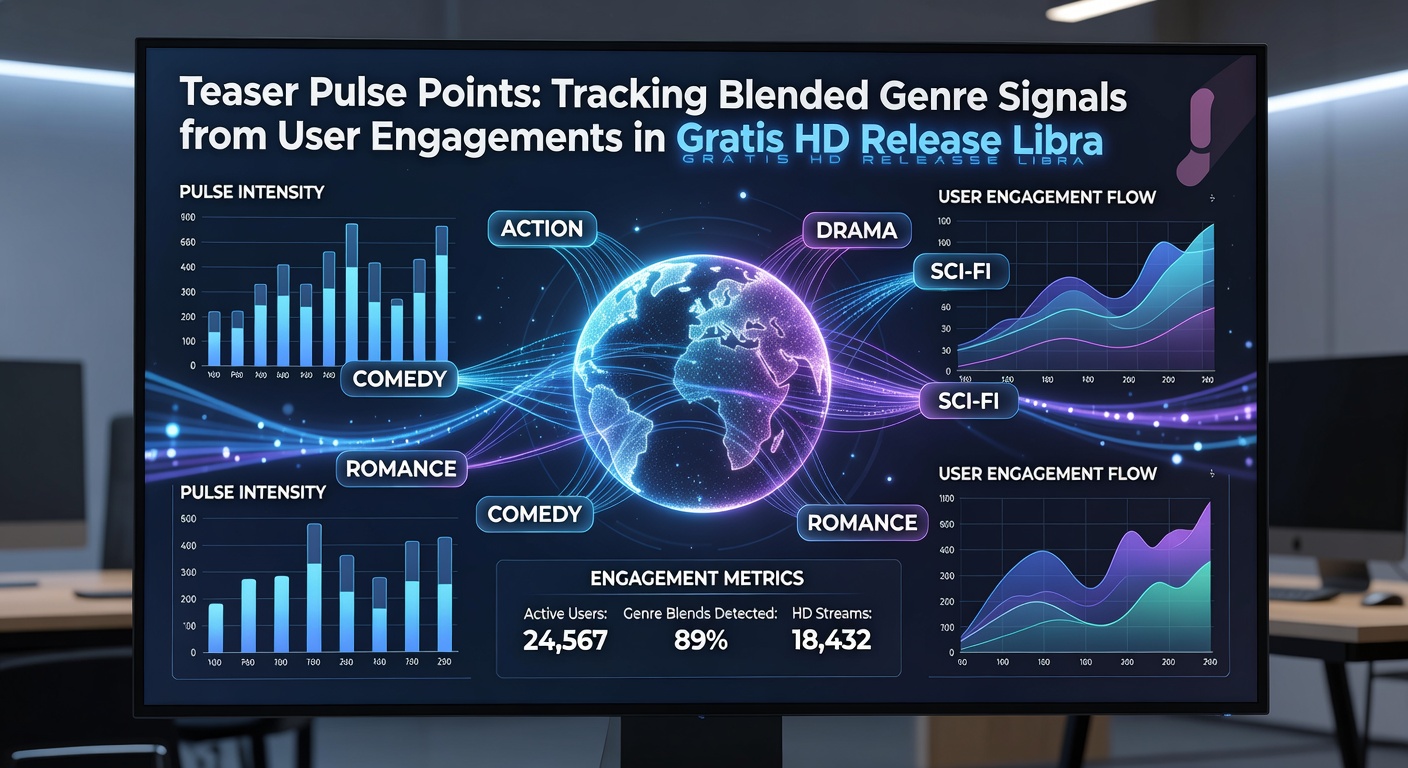
Patterns also surface when users abandon teasers at points where genre elements diverge from initial expectations, and analysts record these drop-off locations to refine how future releases present their hybrid aspects. In practice, libraries that adjusted teaser ordering based on pulse point data observed measurable changes in how users navigated subsequent content within the same session.
Case Examples from Recent Release Cycles
One June 2026 action release incorporated unexpected comedic beats in its teaser, and engagement logs revealed that viewers who paused at those beats later selected related drama titles at higher frequencies than users who skipped the same sections. Another library tracked teaser interactions for a set of science-fiction comedies and found that segments blending visual effects with character-driven humor produced the most consistent signals across demographic groups. Analysts compared these outcomes against control groups exposed to non-hybrid teasers and documented the differences in navigation paths that followed initial engagements.
Technical Methods for Signal Tracking
Tracking systems employ sequence modeling to map the order in which users interact with multiple teasers, and these models assign weights to transitions that cross genre boundaries. Software processes the resulting graphs to highlight clusters where blended signals appear most frequently, enabling curators to adjust visibility of related titles within the same library interface. External validation from academic sources confirms that such modeling improves the accuracy of inferred preference mappings when compared with self-reported genre selections alone.
Conclusion
Teaser pulse points provide measurable indicators of how users respond to genre blends in gratis HD collections, and continued analysis of these signals supports more precise mapping of engagement trends across release cycles. Data collected through June 2026 demonstrates consistent patterns in how hybrid content captures and sustains attention, while technical approaches refine the extraction of these signals from large-scale interaction logs. Platforms that incorporate these insights adjust presentation strategies accordingly, resulting in observable shifts in user navigation behavior within free HD environments.