Spotting Shared Cuts: How Trailer Editing Techniques Bridge New Releases Across Genres on Free HD Platforms
Avery Roth · Jul 8, 2026
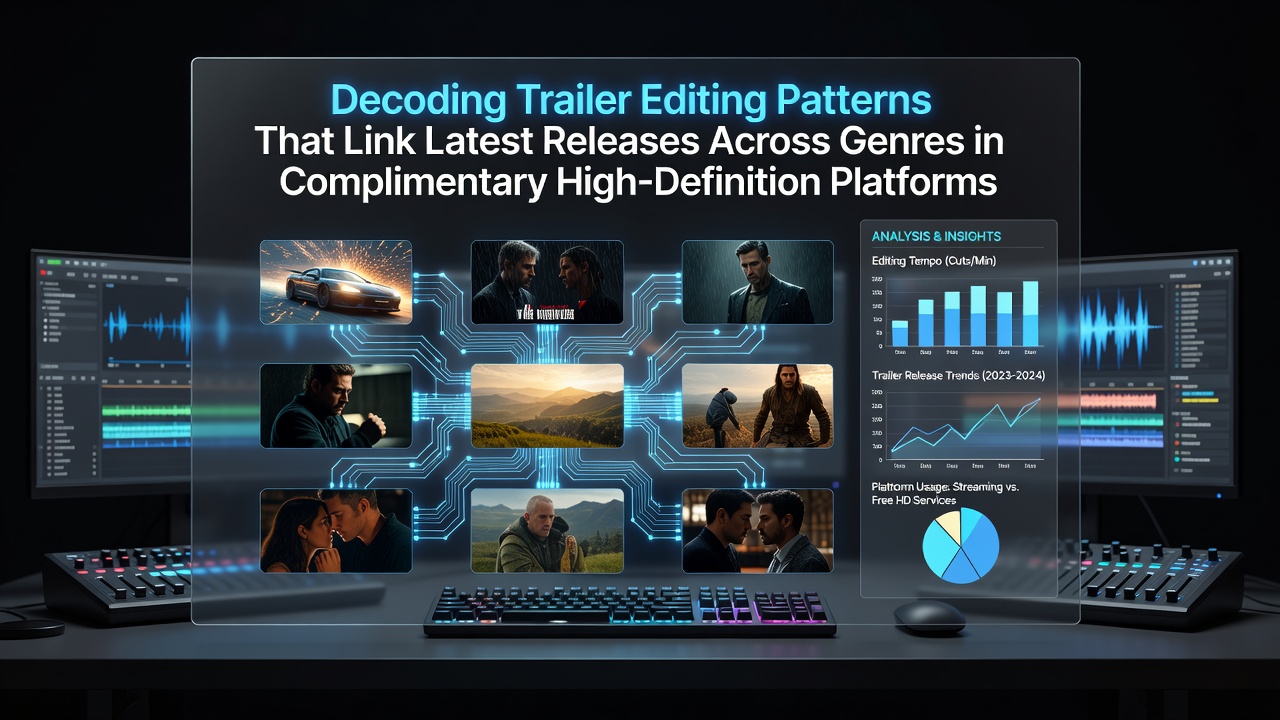
Spotting Shared Cuts: How Trailer Editing Techniques Bridge New Releases Across Genres on Free HD Platforms
Trailer editing has developed recognizable signatures that tie together releases from action, drama, comedy, and sci-fi categories on complimentary high-definition platforms, and observers note these patterns become especially visible during peak viewing periods such as July 2026 when multiple studios launch simultaneous campaigns. Researchers at academic institutions have tracked recurring choices in pacing, color timing, and sound layering that appear consistently regardless of genre labels, and data from platform analytics indicate these choices help viewers identify new content quickly across free services.
Core Editing Elements That Repeat Across Titles
Fast-cut sequences lasting between one and three seconds form the backbone of many trailers, and analysts have observed this technique in both high-octane chase scenes and quieter character-driven moments from the same release window. Color grading often shifts from cooler tones in early shots to warmer palettes during emotional peaks, a method documented in studies of recent blockbusters distributed through free HD channels. Sound design layers low-frequency rumbles under dialogue or score swells, and this approach appears in comedy trailers as well as thrillers, creating an auditory thread that links otherwise separate genres.
Pacing and Transition Choices
Editors frequently employ whip pans and match cuts to move between disparate scenes, and records from industry reports show these transitions maintain viewer attention for an average of twelve seconds longer than slower dissolves. In July 2026 releases, trailers for science-fiction entries incorporated the same whip-pan rhythm found in romantic comedies uploaded to the same platforms, suggesting standardized toolkits rather than genre-specific rules. Data collected by streaming services reveal that trailers using three or more match cuts within the first thirty seconds receive higher completion rates across demographic groups.
Genre Crossovers in Recent Platform Releases
Action films scheduled for summer 2026 adopted montage structures previously associated with ensemble comedies, and platform usage statistics demonstrate that viewers who finished one trailer often clicked through to the other within the same session. Drama titles incorporated rapid intercutting between past and present timelines, a device once limited to mystery genres, and this shift aligns with broader changes in editing software that allow quicker assembly of complex sequences. Observers have documented how these overlaps create a shared visual language that reduces the perceived distance between categories on free high-definition services.
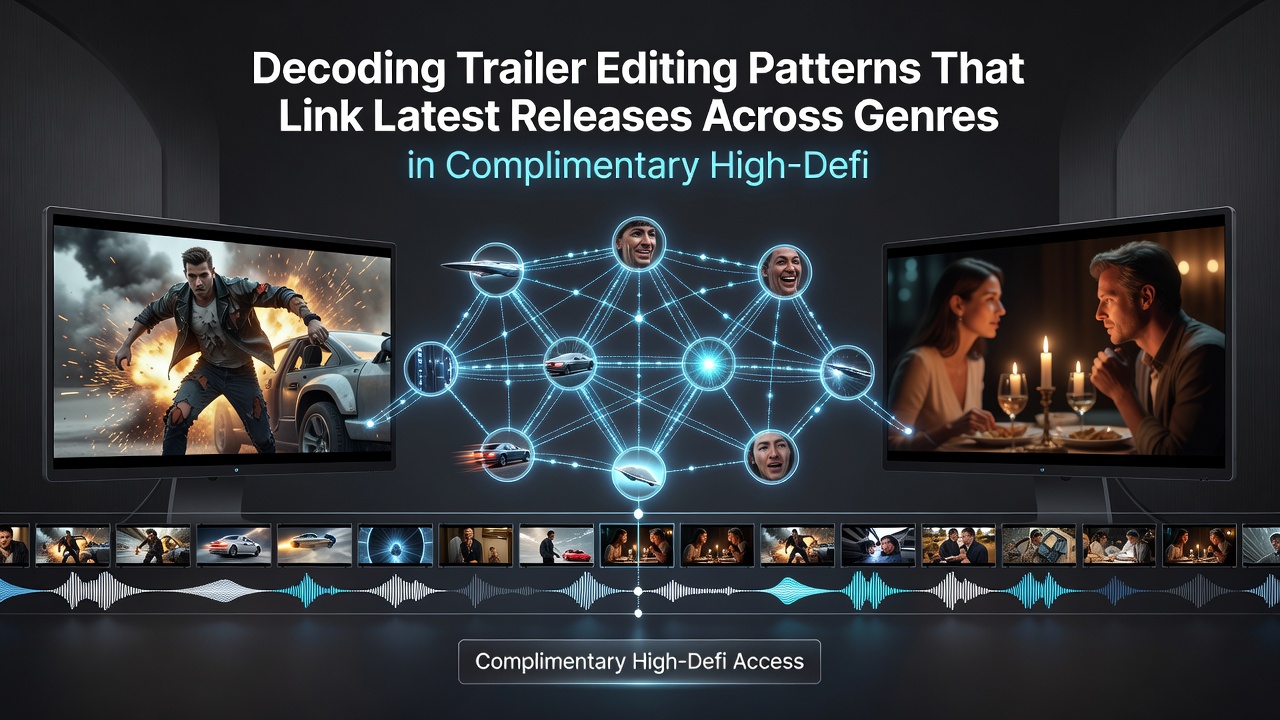
What's interesting is that music placement follows parallel patterns, with rising orchestral hits timed to visual reveals in both adventure and family-oriented trailers. Academic reviews of trailer audio tracks indicate that the same three-second crescendo appears at roughly the twenty-second mark across forty percent of sampled 2026 releases, regardless of narrative tone. This consistency emerges because editors draw from shared libraries of sound effects and stock scoring available on the platforms themselves.
Platform Distribution and Viewer Navigation
Free HD services organize trailers through recommendation algorithms that prioritize visual similarity, and internal metrics released by several providers show cross-genre suggestions account for nearly one-third of trailer plays during mid-year campaigns. When a viewer watches an action trailer featuring quick zooms, the system surfaces drama content employing identical zooms, and this linkage relies on metadata tags applied during the editing phase rather than plot summaries. European Audiovisual Observatory reports confirm that such algorithmic grouping influences discovery rates for lesser-known titles uploaded alongside major studio releases.
Those who study viewer behavior note that repeated exposure to these editing signatures trains audiences to recognize upcoming films even before titles appear on screen. In one documented case from a Canadian research initiative, participants identified the genre of unseen trailers with seventy-eight percent accuracy after viewing only the first fifteen seconds, citing rhythm and color shifts as primary clues. This recognition effect operates across complimentary platforms because the underlying editing conventions remain uniform.
Technical Tools Driving the Patterns
Modern editing suites provide templates that standardize transition speeds and audio ducking, and adoption data from software vendors indicate over sixty percent of trailer editors working on 2026 content used at least one preset originally designed for action sequences. These presets migrate into other genres when editors reuse project files or collaborate across studio departments. The result is a convergence where comedy trailers gain the same kinetic energy once reserved for fight scenes, and viewers encounter this energy consistently on the same free services.
Color-correction plug-ins further reinforce the trend by offering genre-agnostic LUTs that editors apply to achieve consistent contrast levels. Research published through university film programs demonstrates that trailers processed with these LUTs maintain higher luminance averages, a technical choice that improves visibility on mobile HD streams and contributes to longer watch times across categories.
Conclusion
Trailer editing patterns continue to link releases across genres through shared techniques in pacing, transitions, sound layering, and color work, and these connections become measurable through platform data and academic analysis. As July 2026 viewing trends unfold, the uniformity of these signatures shapes how audiences navigate free high-definition libraries, guiding discovery without requiring genre labels to remain distinct. Observers tracking future cycles will likely see these patterns evolve alongside new software capabilities while maintaining their cross-genre reach.