The Evolution of Online Movie Streaming Infrastructure and Global Access
Logan Russell · Aug 19, 2026

The Evolution of Online Movie Streaming Infrastructure and Global Access
Online movie streaming relies on complex networks of content delivery systems that transmit video files from central servers to user devices across continents, and these systems have expanded significantly by August 2026 with increased investments in edge computing facilities. Data centers positioned near major population centers reduce latency, while protocols such as HTTP Live Streaming and Dynamic Adaptive Streaming over HTTP adjust video quality based on available bandwidth. Industry reports show that average connection speeds in urban areas now support 4K resolution streams without interruption, whereas rural regions continue to depend on improved satellite links for consistent playback.
Technical Components Driving Streaming Performance
Content providers encode films into multiple bitrates and resolutions, then segment those files for delivery through content delivery networks that cache popular titles closer to viewers. Observers note that companies managing these networks deploy algorithms to predict demand spikes during major releases, and such predictions help allocate server resources in advance. Research from academic institutions indicates that machine learning models now optimize routing paths in real time, which cuts buffering incidents by measurable percentages according to internal metrics shared at industry conferences.
Encryption standards protect streams during transmission, and digital rights management systems enforce licensing terms set by film studios. Those who study network security have documented how these layers operate together to prevent unauthorized redistribution while maintaining playback continuity. In practice, a single film might traverse dozens of intermediate nodes before reaching an end user device, and each node performs authentication checks along the way.
Regional Variations in Platform Availability
Streaming services operate under different regulatory frameworks depending on the country, and European Union directives require clear labeling of data usage alongside subscription terms. Australian communications authorities publish periodic reviews of service quality metrics that include average load times and complaint resolution rates. Figures from Canadian statistical agencies reveal steady growth in household subscriptions to multiple platforms simultaneously, while users in Asia-Pacific markets often combine local services with international ones to access broader catalogs.
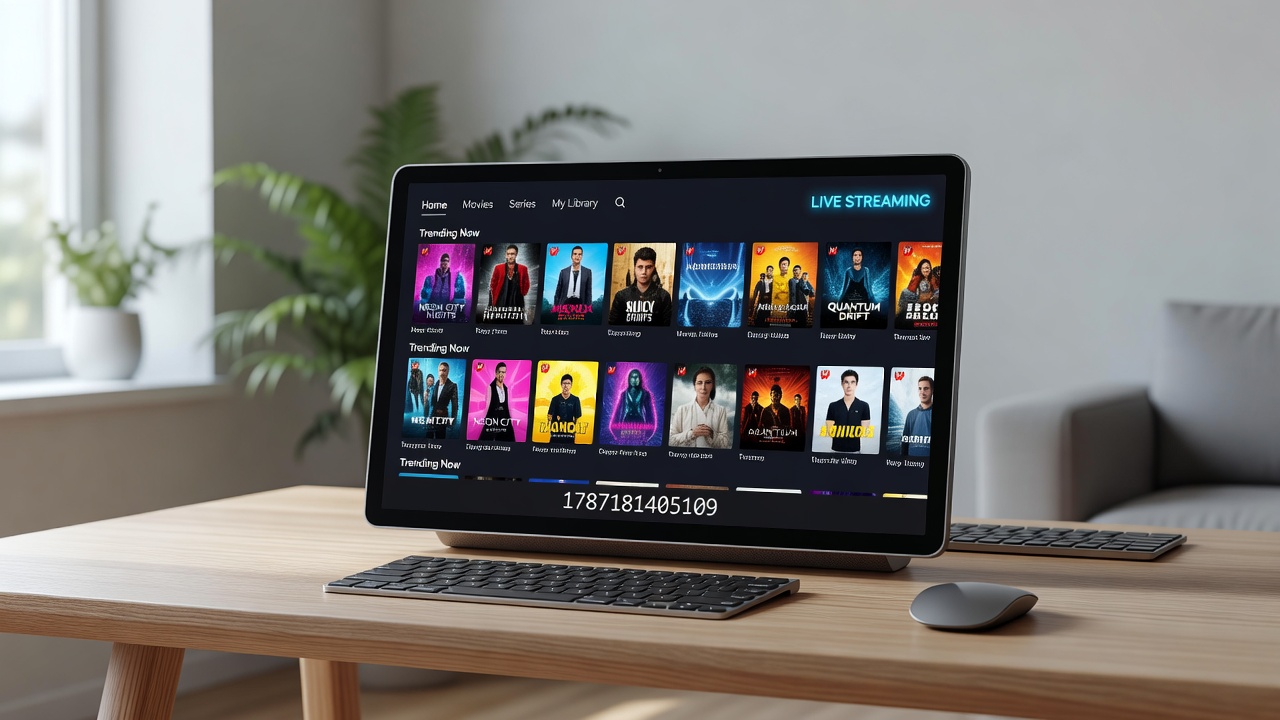
Payment models range from monthly subscriptions to transactional rentals, and some markets incorporate advertising-supported tiers that generate revenue through targeted commercials. Data compiled by trade organizations shows that hybrid approaches now account for a growing share of total viewing hours in several territories. Service providers track these patterns through anonymized analytics that inform content acquisition decisions without revealing individual viewing histories.
Data Usage Patterns and Network Demands
Bandwidth consumption associated with streaming continues to rise, and network operators report that video traffic constitutes the largest category of internet usage during evening hours. Studies conducted by university research teams have measured peak loads that coincide with new season releases, prompting infrastructure upgrades in metropolitan areas. Observers point out that compression techniques introduced in recent years allow comparable image quality at lower data rates, which benefits users on metered connections.
Device compatibility extends across smart televisions, mobile phones, tablets, and dedicated streaming hardware, each requiring optimized application interfaces. Engineers working on these applications focus on minimizing battery drain during extended sessions, and firmware updates periodically introduce support for newer codecs. Evidence from field tests demonstrates that these incremental improvements accumulate into noticeable differences in user retention over time.
Future Infrastructure Investments
Telecommunications firms allocate capital toward expanding fiber optic backbones and upgrading 5G small cells that support higher throughput for mobile streaming. Government agencies in multiple regions issue spectrum allocations that enable these wireless enhancements, and industry associations coordinate standards development to ensure interoperability between equipment from different manufacturers. Projections shared in technical white papers suggest continued scaling of these networks through the remainder of the decade.
Conclusion
Online movie streaming has developed into a multifaceted system supported by distributed infrastructure, regulatory oversight, and ongoing technical refinements. Data collected across regions illustrate both the reach and the limitations of current capabilities, while investments announced in 2026 aim to address remaining gaps in coverage and performance. Those monitoring the sector track these developments through standardized reporting mechanisms that provide consistent benchmarks for comparison.