Tracking Genre Preference Trends Among Viewers of New Films on Ad-Supported Platforms
Avery Roth · Jun 19, 2026
Tracking Genre Preference Trends Among Viewers of New Films on Ad-Supported Platforms
Advertisement-supported platforms have expanded access to new films in recent years and researchers tracking user behavior report distinct patterns in genre selections across these services. Data collected through mid-2026 shows steady engagement with certain categories while others fluctuate based on release schedules and viewer demographics.
Platform Growth and Access Patterns
Ad-supported video on demand services reached broader audiences by June 2026 with many users opting for free tiers that include commercial breaks in exchange for recent theatrical releases. Observers note that these platforms attract viewers who might otherwise delay watching new titles until they appear on subscription services and figures from industry tracking indicate increased daily active users during peak evening hours.
Viewers often start sessions with trailers or recommended content that highlights popular genres and this exposure influences subsequent choices. Reports compiled by Ofcom reveal that ad-supported services accounted for a growing share of first-viewings for titles released within the previous six months across the UK market.
Genre Distribution Data
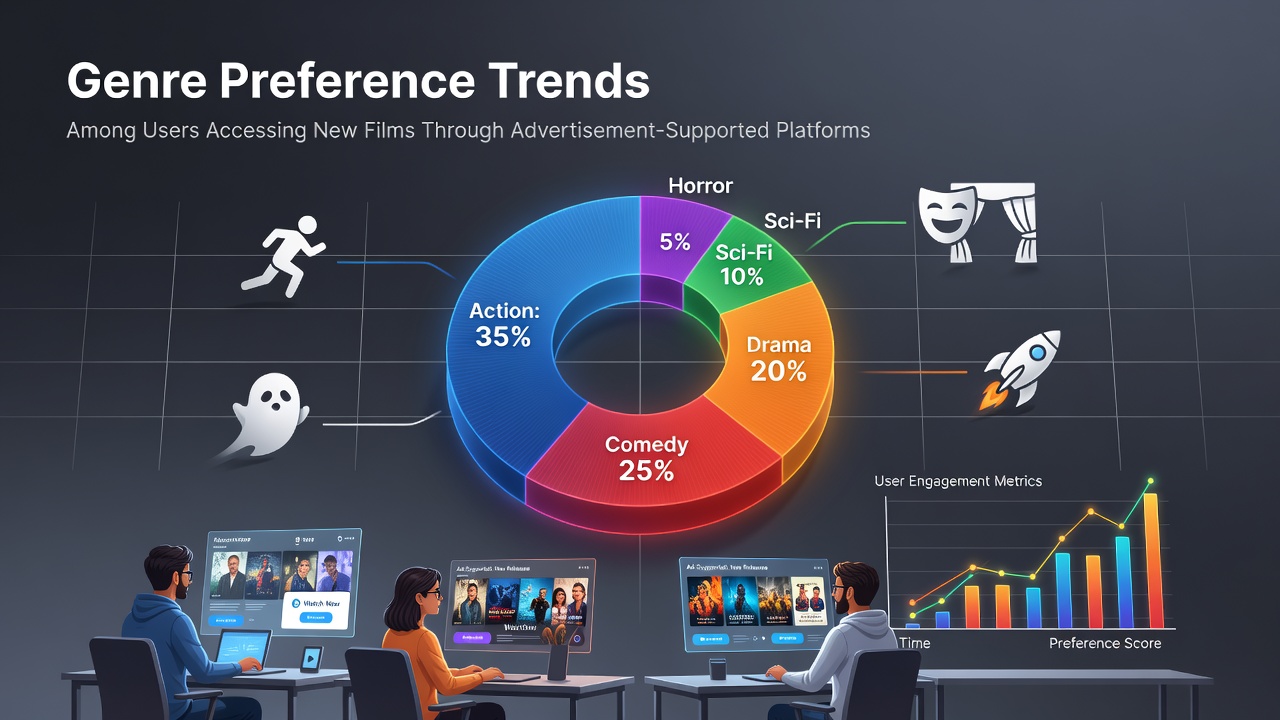
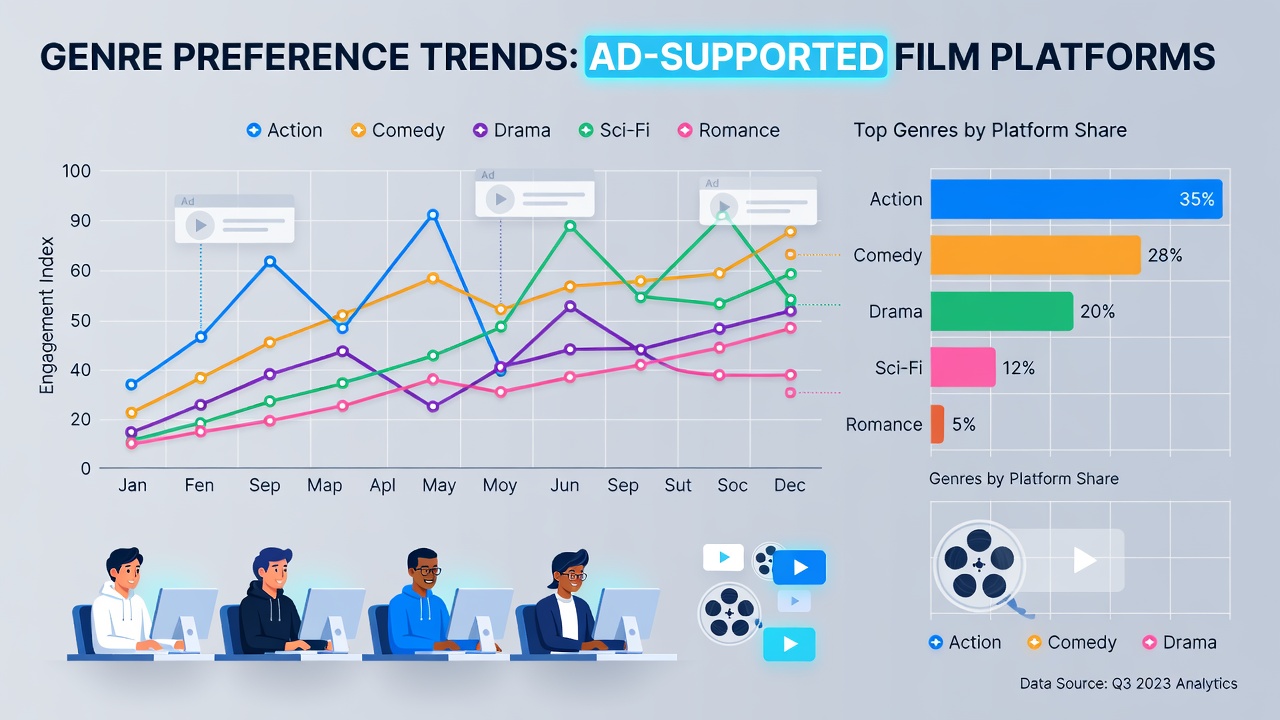
Action and adventure films maintained strong performance on these platforms with data showing they represented a significant portion of streams in early 2026. Comedy selections followed closely behind particularly among younger adult demographics while drama titles drew consistent but smaller audiences throughout the spring months.
Horror and thriller categories experienced spikes during promotional periods tied to new releases and researchers found that these genres benefited from algorithmic recommendations that surfaced similar content after initial views. Science fiction entries appeared more frequently in user libraries during summer campaigns when platforms featured upcoming blockbusters.
Demographic Influences on Choices
Age groups displayed measurable differences in genre engagement according to aggregated platform analytics. Users aged 18 to 34 selected comedy and action titles at higher rates whereas those over 45 gravitated toward drama and historical narratives in greater numbers. Geographic variations also emerged with urban viewers showing broader genre experimentation compared to rural users who tended toward established franchises.
Household income levels correlated with certain preferences as well and studies indicated that ad-supported access enabled wider exploration of foreign language films among middle-income groups who previously limited selections to domestic productions. This shift aligned with increased availability of subtitled new releases on major platforms.
Seasonal and Release-Driven Shifts
June 2026 data highlighted how summer blockbuster releases temporarily boosted action and fantasy viewership across ad-supported services while independent dramas gained traction during award season cycles. Platforms adjusted promotional banners and recommendation engines to capitalize on these windows and user logs showed corresponding changes in watch times.
External events such as major sports tournaments or holidays also redirected traffic toward lighter genres like comedy and family-oriented animation. Analysts tracking these movements noted that ad load adjustments during high-traffic periods sometimes influenced session lengths but did not alter core genre preferences in sustained ways.
Comparative Regional Observations
European markets exhibited stronger interest in crime and mystery genres relative to North American users according to aggregated reports from the European Audiovisual Observatory. Australian audiences meanwhile demonstrated elevated engagement with documentary-style films and true crime adaptations on the same ad-supported platforms.
Cross-border comparisons further revealed that language options and local content quotas shaped genre availability and subsequent viewer selections. Platforms serving multiple regions adapted recommendation systems to balance international releases with localized preferences and this approach produced measurable differences in top-performing categories by country.
Conclusion
Genre preference trends on advertisement-supported platforms continue to evolve alongside content availability and demographic factors. Tracking mechanisms employed by services and external research bodies provide ongoing snapshots of these patterns as new films enter rotation. Continued monitoring through the latter half of 2026 will clarify whether current distributions stabilize or shift with upcoming release cycles and platform policy changes.