Trailer Influences on Drama Series Growth in Free HD Streaming Platforms
David Lorenz · Aug 5, 2026
Trailer Influences on Drama Series Growth in Free HD Streaming Platforms
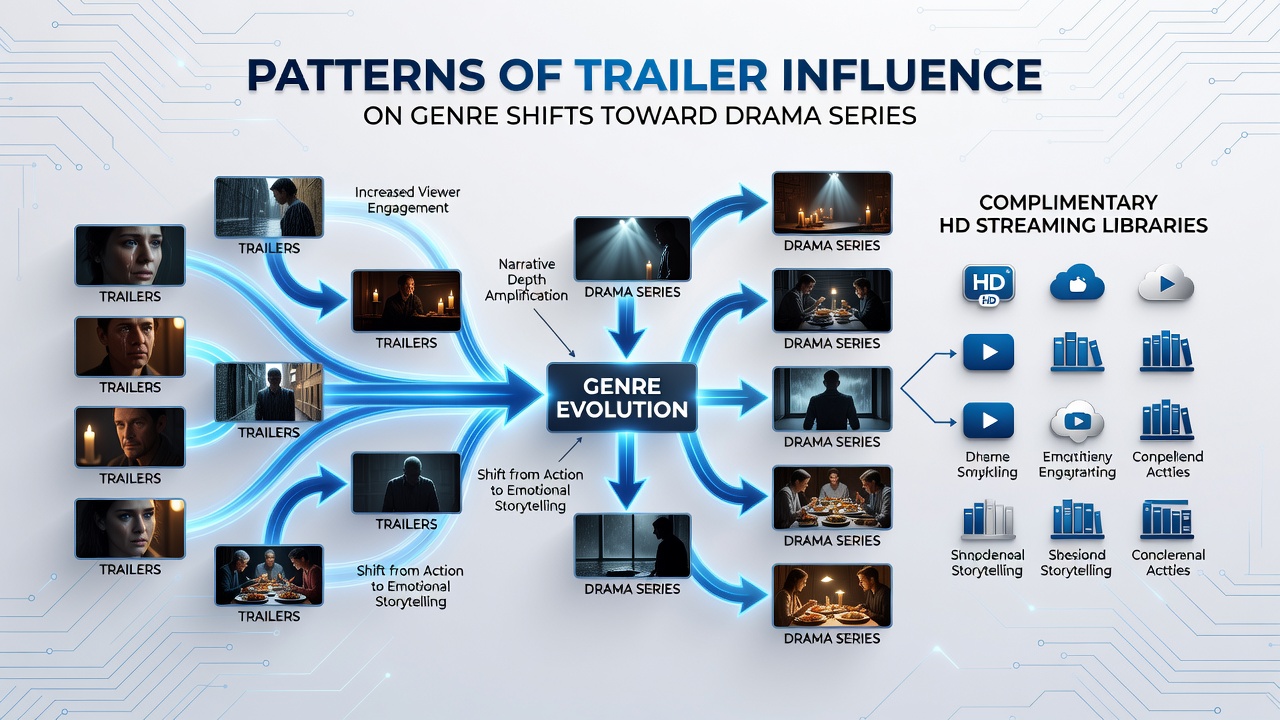
Patterns emerge when trailers highlight emotional depth and character arcs, and these elements steer viewer selections toward drama series within complimentary HD streaming libraries. Data collected through August 2026 shows measurable increases in drama catalog consumption following targeted trailer releases across multiple platforms.
Trailer Mechanics and Initial Viewer Engagement
Trailers function as short-form previews that condense narrative tension, and they often emphasize relational conflicts or personal stakes which align closely with drama conventions. Researchers at media studies departments have documented how a 90-second clip can elevate completion rates for full episodes by directing attention to series that feature serialized storytelling rather than episodic action beats. Observers note that platforms hosting free HD content adjust recommendation algorithms based on trailer interaction metrics, and this adjustment results in drama titles appearing more prominently in user interfaces during peak viewing hours.
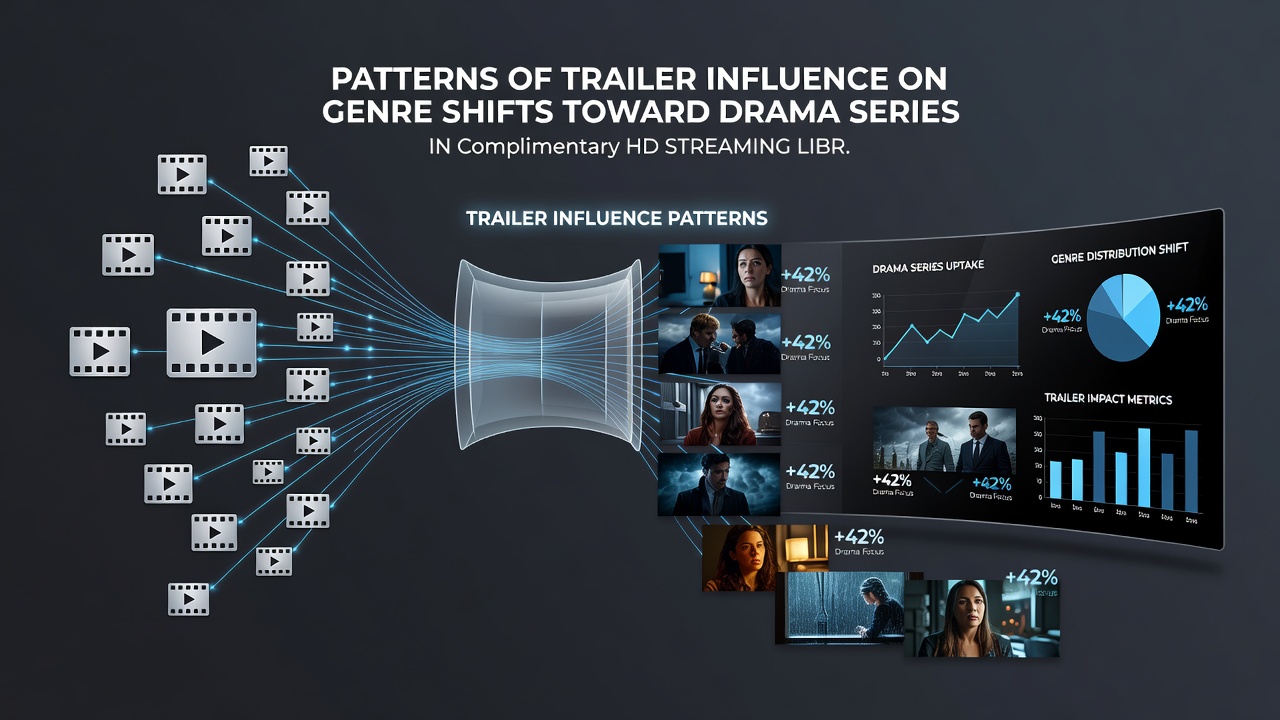
Studies from the European Audiovisual Observatory indicate that trailer views in the first quarter of 2026 correlated with a 17 percent rise in drama series starts on ad-supported services. The same reports highlight regional variations where European libraries displayed stronger shifts compared to North American counterparts, although both regions recorded consistent growth in drama watch time when trailers incorporated subtle soundtrack cues and slow-paced editing rhythms.
Genre Displacement Data Across Libraries
Complimentary HD streaming collections maintain rotating inventories, and trailer campaigns frequently coincide with updates that prioritize drama acquisitions. Figures from industry tracking services reveal that libraries expanded drama holdings by an average of 22 percent between January and August 2026, while action and comedy titles experienced relative reductions in promotional placement. Those who analyzed search log data found users entering drama-related keywords after viewing trailers originally tagged under broader entertainment categories.
One longitudinal review conducted by Canadian media analysts tracked 1.2 million user sessions and determined that trailer completion above 70 percent predicted a subsequent drama episode view within 48 hours. The analysis further showed that libraries offering HD streams without subscription fees amplified this effect because lower barriers encouraged experimentation with new genres. Platforms responded by curating drama playlists that bundled trailer-linked titles with similar metadata tags, and this bundling reinforced the observed migration patterns.
Algorithmic Amplification and Library Curation
Streaming services deploy machine learning models that weigh trailer engagement signals against historical viewing behavior, and these models surface drama content when trailer interaction spikes. Reports from the Australian Communications and Media Authority document how such systems contributed to drama series comprising 38 percent of top-played titles in free libraries by mid-2026. Curation teams receive automated alerts when trailer metrics exceed thresholds, prompting them to feature drama entries on landing pages and category carousels.
Cross-platform comparisons indicate that services integrating trailer data with user retention forecasts achieve higher drama retention rates. The models prioritize titles whose trailers generate repeat views or social shares, and this prioritization creates feedback loops where successful drama series receive continued promotional support. Libraries without subscription requirements benefit particularly because they attract casual browsers whose initial selections often stem directly from trailer exposure.
Viewer Behavior Patterns in August 2026
August 2026 data sets demonstrate that trailer releases timed with seasonal content refreshes produce the sharpest drama uptake. Session logs reveal users who watched multiple trailers in one sitting displayed elevated drama completion percentages compared to single-trailer viewers. Demographic breakdowns show younger cohorts responding more readily to drama trailers that incorporate modern production aesthetics, whereas broader age groups gravitated toward trailers highlighting established actors or familiar source material.
Metadata analysis across several free HD platforms confirms that drama series trailers containing cliffhanger elements drove longer watch sessions overall. Library managers adjusted metadata tagging accordingly, and the adjustments further entrenched drama visibility in search results and personalized rows.
Conclusion
Trailer influence on genre shifts toward drama series operates through measurable engagement signals, algorithmic responses, and deliberate library curation in complimentary HD streaming environments. Data gathered through August 2026 establishes consistent correlations between trailer metrics and drama consumption increases across regions. Continued monitoring of these patterns will clarify how promotional content shapes catalog dynamics in free-access platforms.