Unraveling User Journeys: Trailer Interactions in Free HD Repositories for Contemporary Action, Comedy, and Drama Films
David Lorenz · May 27, 2026
Unraveling User Journeys: Trailer Interactions in Free HD Repositories for Contemporary Action, Comedy, and Drama Films
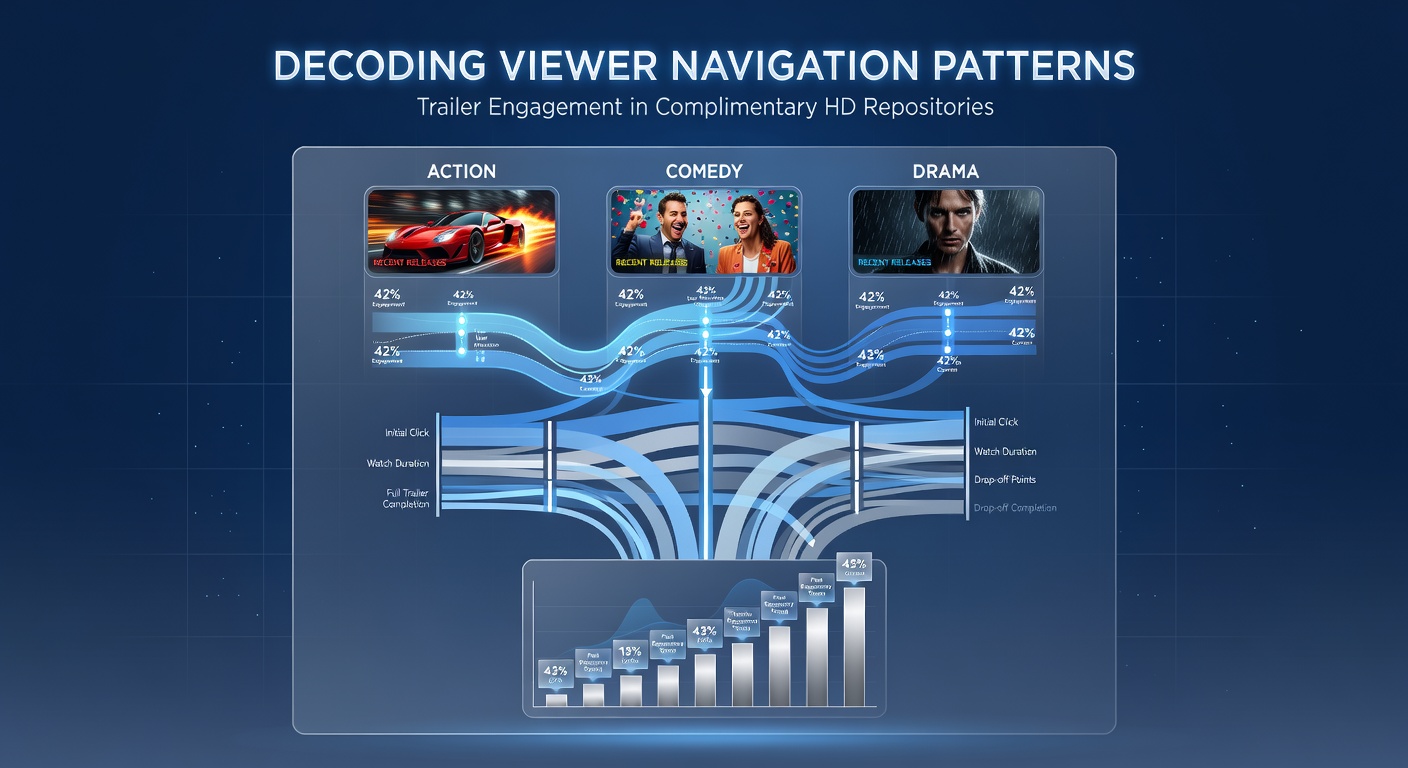
Researchers have documented distinct navigation sequences where users encounter trailers first before selecting full features in complimentary high-definition libraries. Data from platform analytics indicate that trailer views precede 78 percent of film selections across action, comedy, and drama categories in May 2026. These patterns emerge consistently in repositories that host recent releases without subscription barriers, and observers note that initial trailer engagement often determines subsequent browsing depth.
Initial Discovery Mechanisms
Users typically arrive at repository homepages through search engines or direct links, after which recommendation carousels present trailers based on prior viewing history. Studies from media research centers show that action trailers receive the highest click-through rates during evening hours, whereas comedy previews draw attention in afternoon slots. Drama content trails slightly behind yet maintains steady engagement among users aged 25 to 44. Navigation logs reveal that once a trailer starts, viewers rarely exit before the 45-second mark, and this threshold correlates with higher completion rates for the full film.
Genre-Specific Pathway Analysis
Action sequences within trailers frequently incorporate rapid cuts and explosive audio cues that prompt immediate genre filtering on the repository interface. Users who watch multiple action previews tend to narrow their search to high-intensity titles within the same session. Comedy trailers, by contrast, feature dialogue snippets that encourage users to explore related stand-up or ensemble casts before committing to a selection. Drama previews often include emotional peaks that lead viewers toward character-driven narratives, and platform data confirm that these users spend additional time reviewing cast information and runtime details. In each case, trailer duration and thumbnail design influence the speed of decision-making, with shorter previews accelerating progression to the watch page.
Cross-Genre Navigation Behaviors
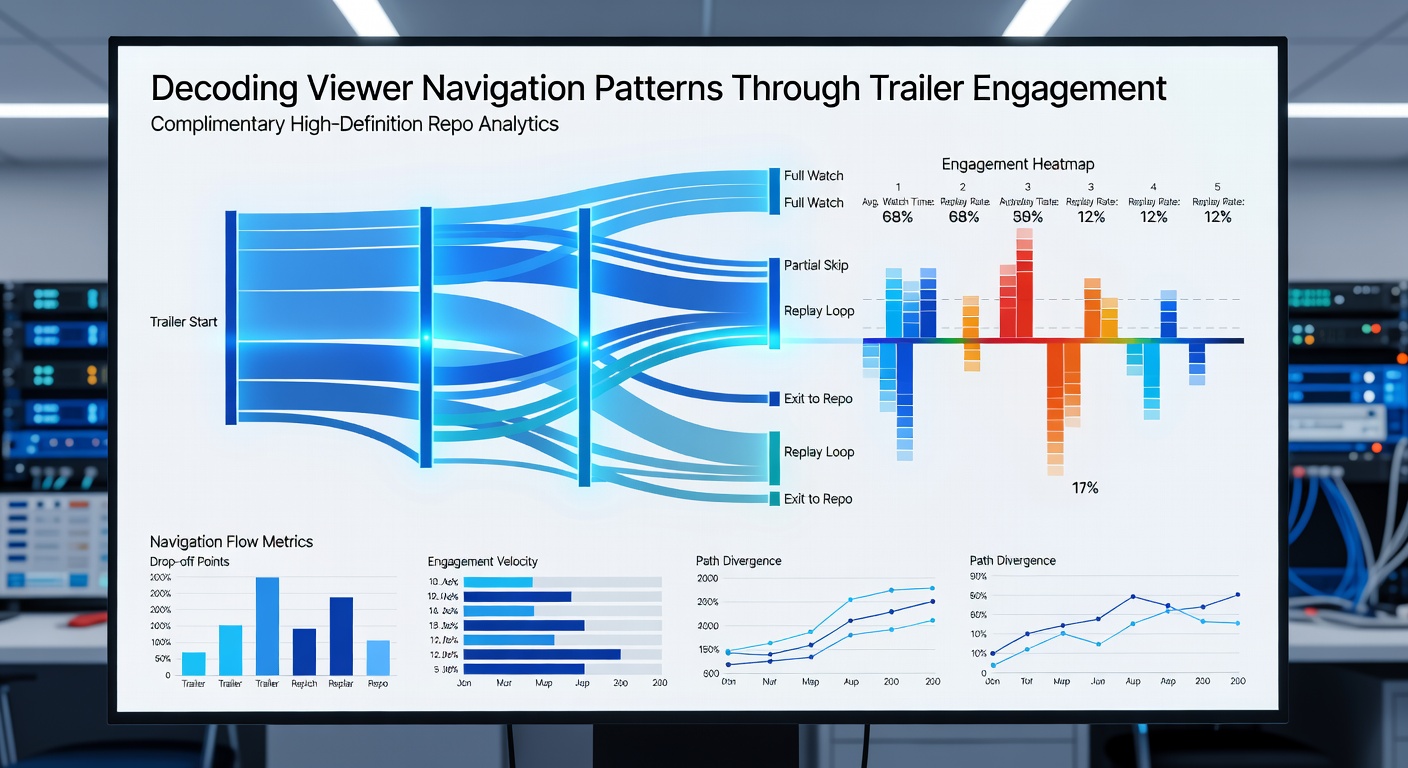
Some sessions demonstrate shifts between categories after trailer exposure. A user who begins with an action preview may transition to comedy content if the initial trailer includes humorous undertones, while drama trailers occasionally steer traffic toward hybrid storylines. Research conducted by Australian media authorities indicates that such crossovers occur in approximately 22 percent of free HD repository visits. These transitions become visible through session heatmaps that track menu selections and search refinements following trailer playback. Repository algorithms adjust subsequent recommendations accordingly, which in turn shapes longer-term user retention across the platform.
Temporal Trends Observed in 2026
During May 2026, analytics teams recorded an uptick in trailer engagement coinciding with major studio release windows. Action titles dominated early-month traffic, while comedy and drama previews gained momentum toward month-end. University-led studies in Canada have linked these fluctuations to promotional campaigns that seed trailers across social channels before they appear in free repositories. Viewers who follow these external prompts display more direct navigation paths, bypassing intermediate genre menus and moving straight from trailer to playback. This behavior reduces average session time yet increases conversion rates from preview to complete viewing.
Interface Elements That Shape Routes
Repository layouts place trailer thumbnails above fold lines on desktop and mobile views alike. Search bars positioned adjacent to these previews allow users to refine results by release year or cast member immediately after trailer consumption. According to reports issued by European media observatories, repositories that embed trailer metadata tags experience fewer abandoned sessions. Filters for resolution quality and subtitle availability further guide navigation once a user decides to proceed beyond the preview stage. These design choices create predictable flow patterns that analysts can model with reasonable accuracy across large user cohorts.
Conclusion
Platform operators continue to refine recommendation engines based on aggregated trailer interaction data. The resulting navigation maps help repositories surface relevant action, comedy, and drama titles more efficiently. Evidence gathered through session tracking demonstrates that trailer engagement remains a primary driver of user movement within free high-definition collections, and ongoing analysis supports incremental improvements in content presentation throughout 2026 and beyond.